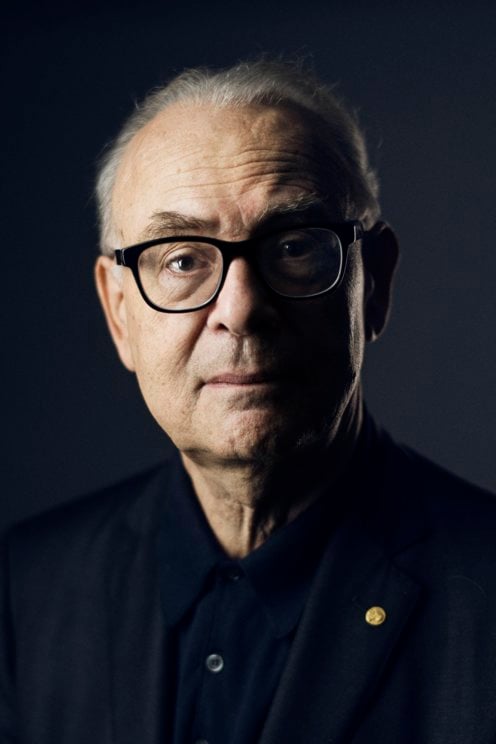
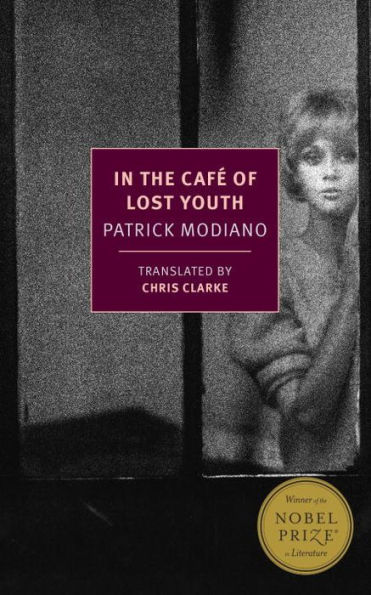
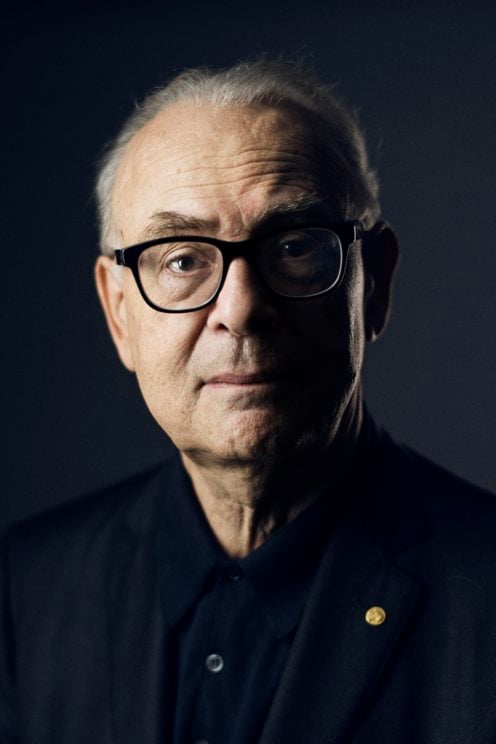
On Wednesday, 18 February, 2026, Another Look will present Nobel prizewinning Patrick Modiano’s 2007 novella, In the Café of Lost Youth(New York Review Books). The event will take place, as always, at 7 p.m. at Levinthal Hall, 424 Santa Teresa Street on the Stanford campus.
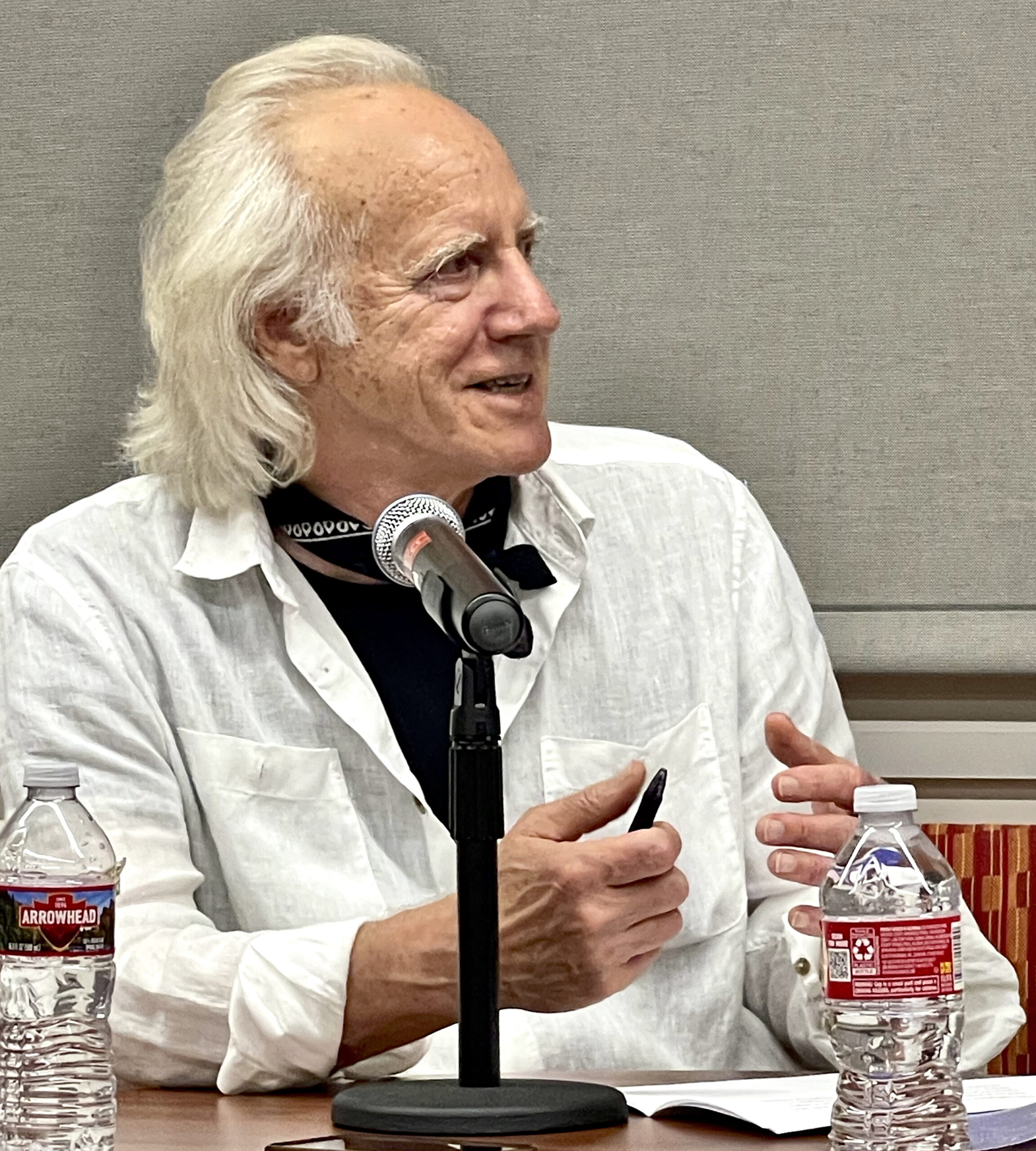
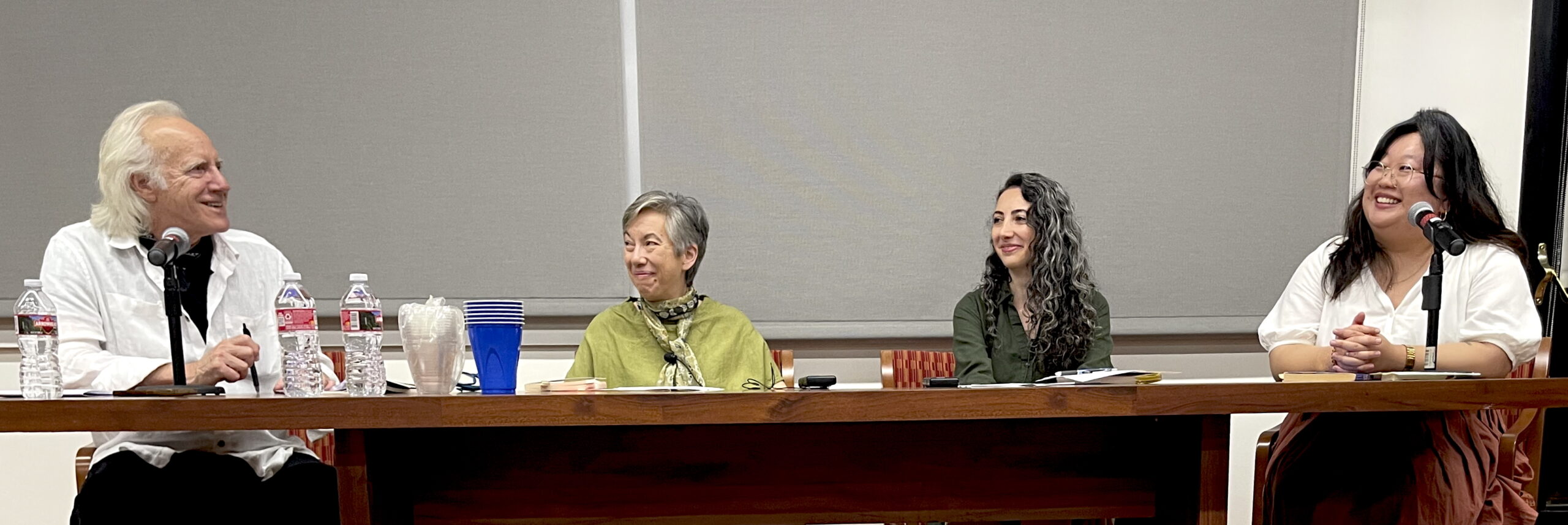
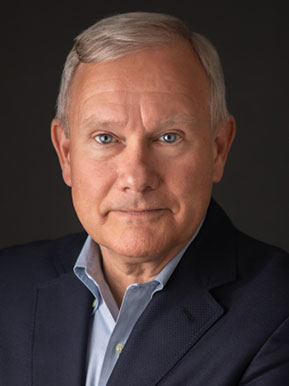
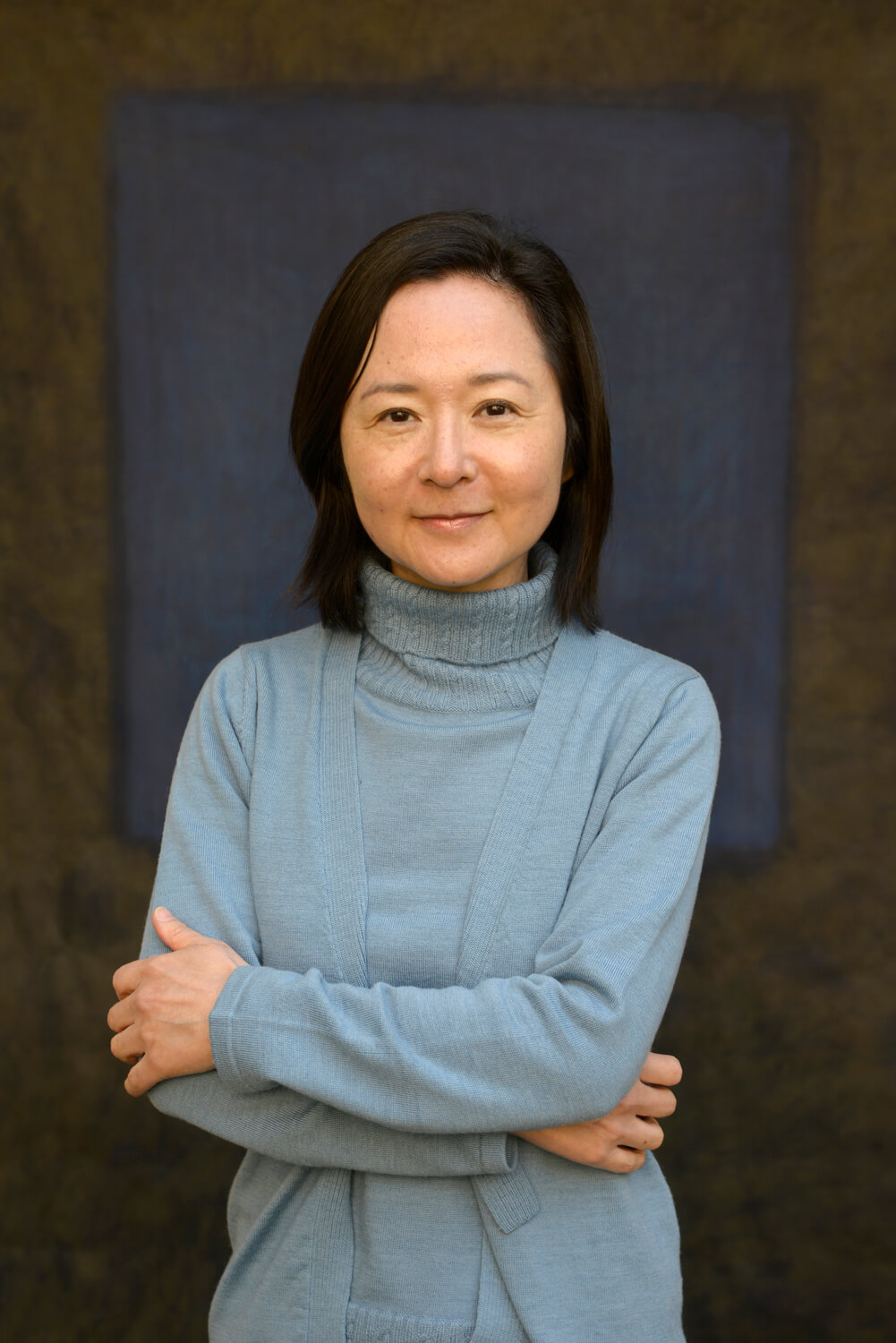
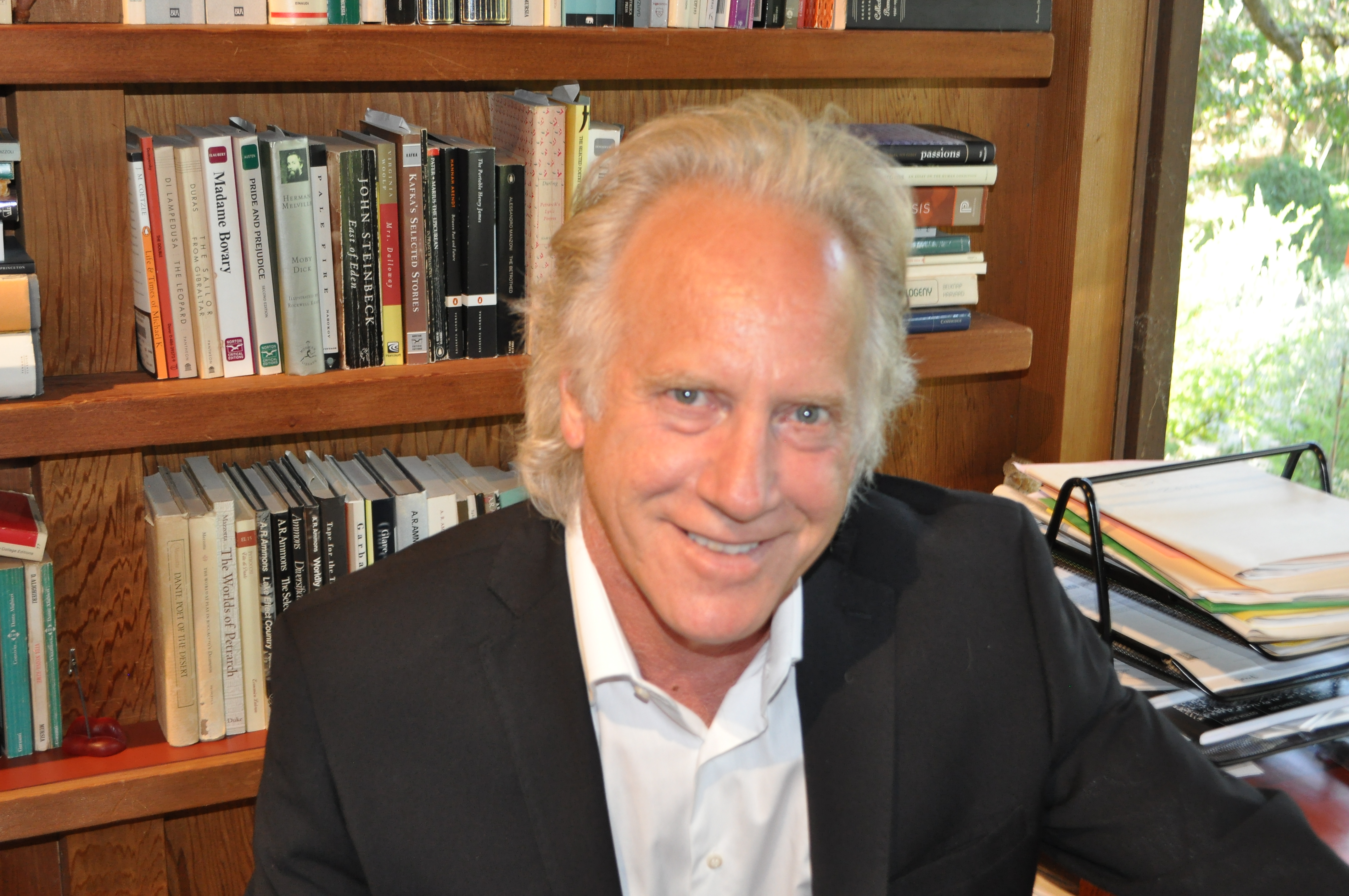
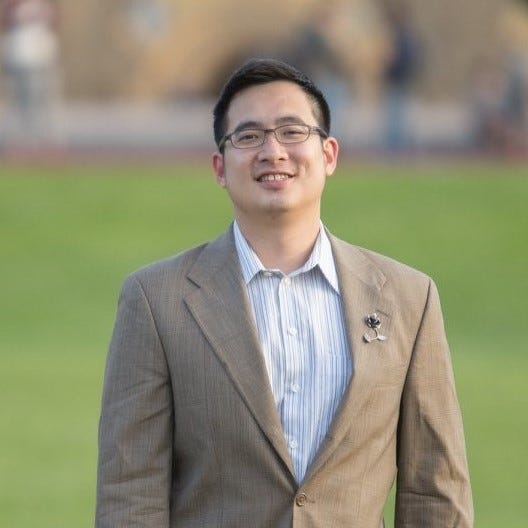
Panelists will include Stanford Prof. Robert Pogue Harrison, author, director of Another Look, host of the radio talk show and podcast series Entitled Opinions, and a regular contributor to The New York Review of Books, and Stanford Prof. Tobias Wolff, one of America’s leading writers and the founding director of Another Look, as well as a recipient of the National Medal of Arts.
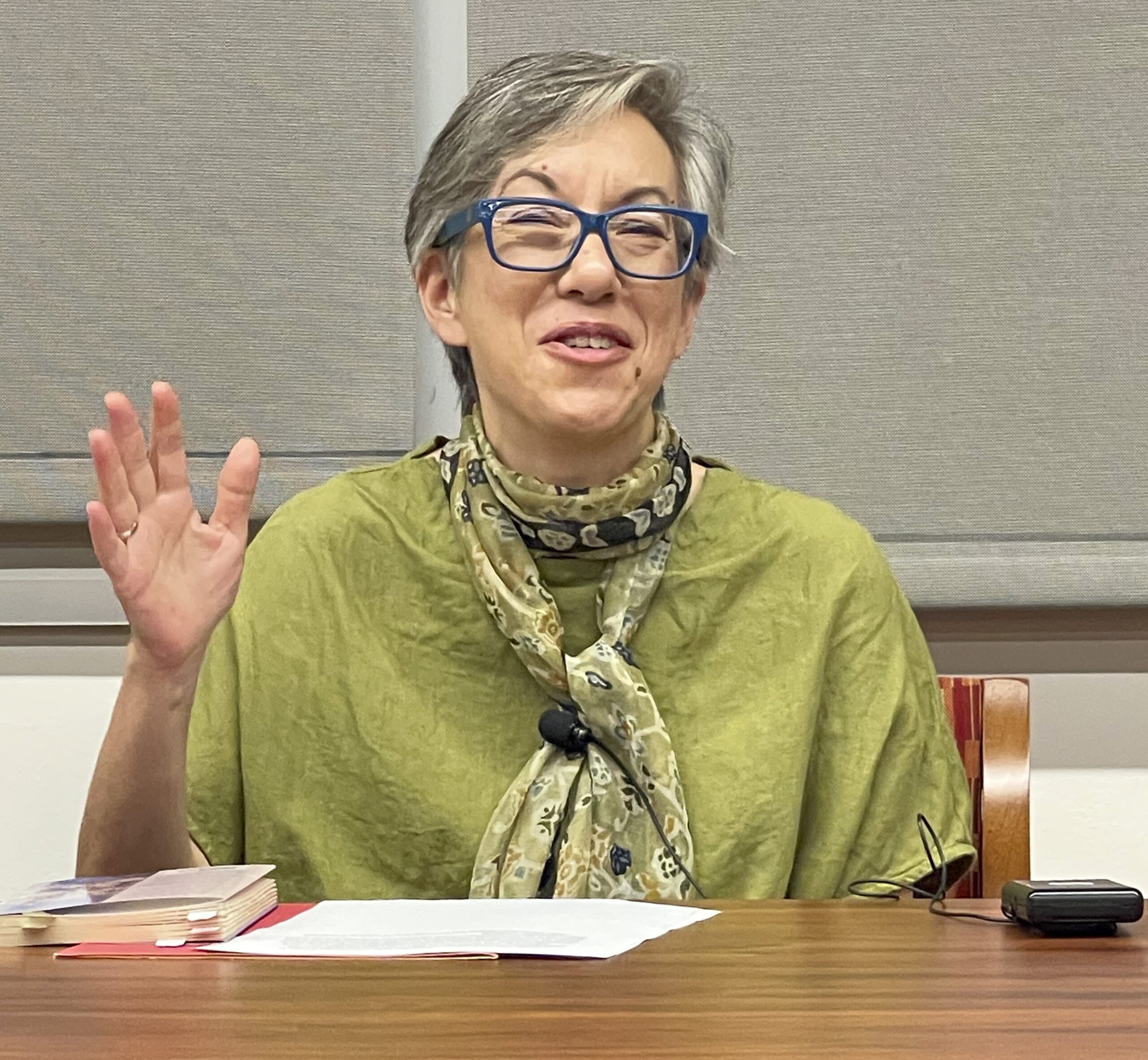
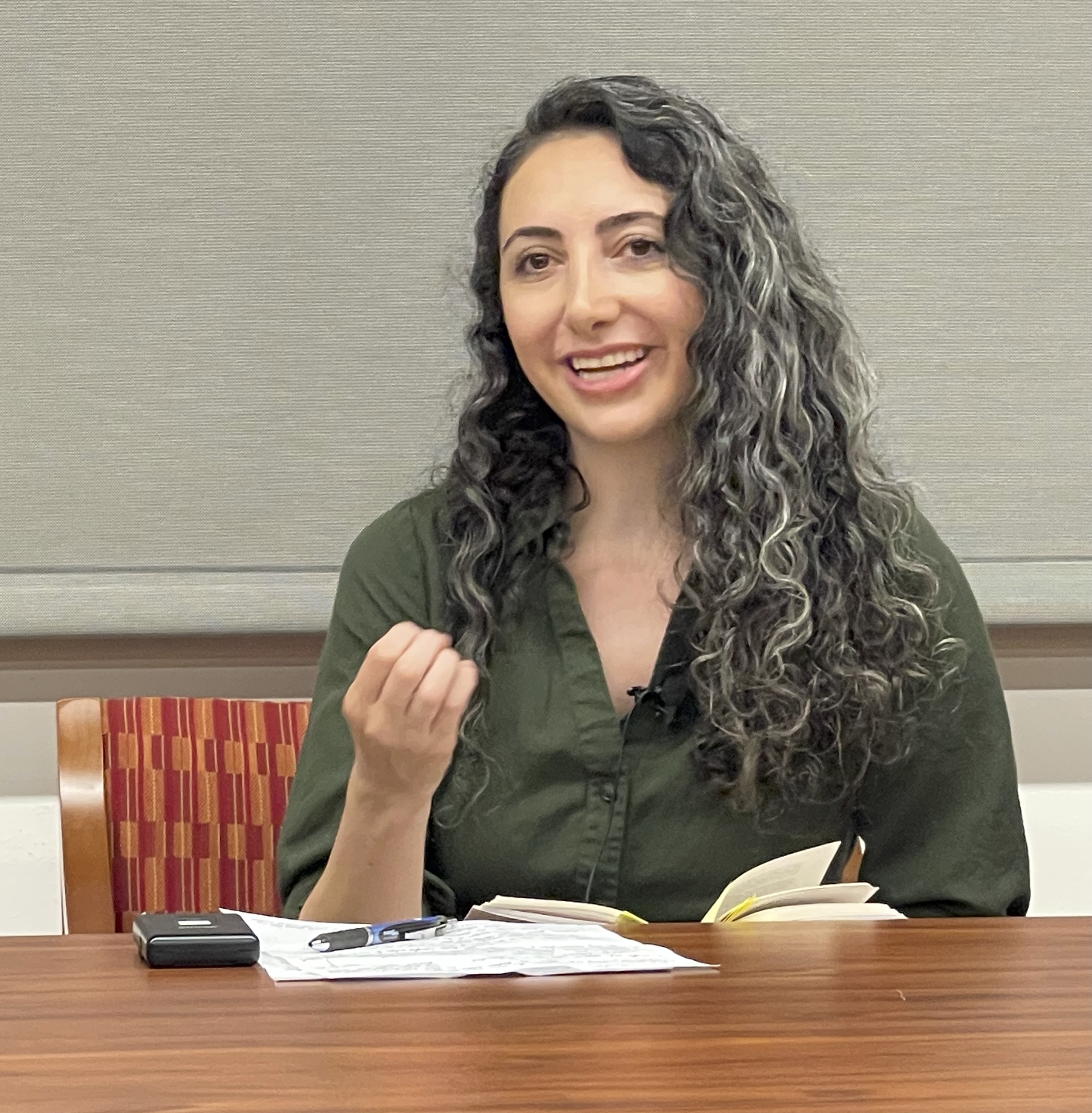
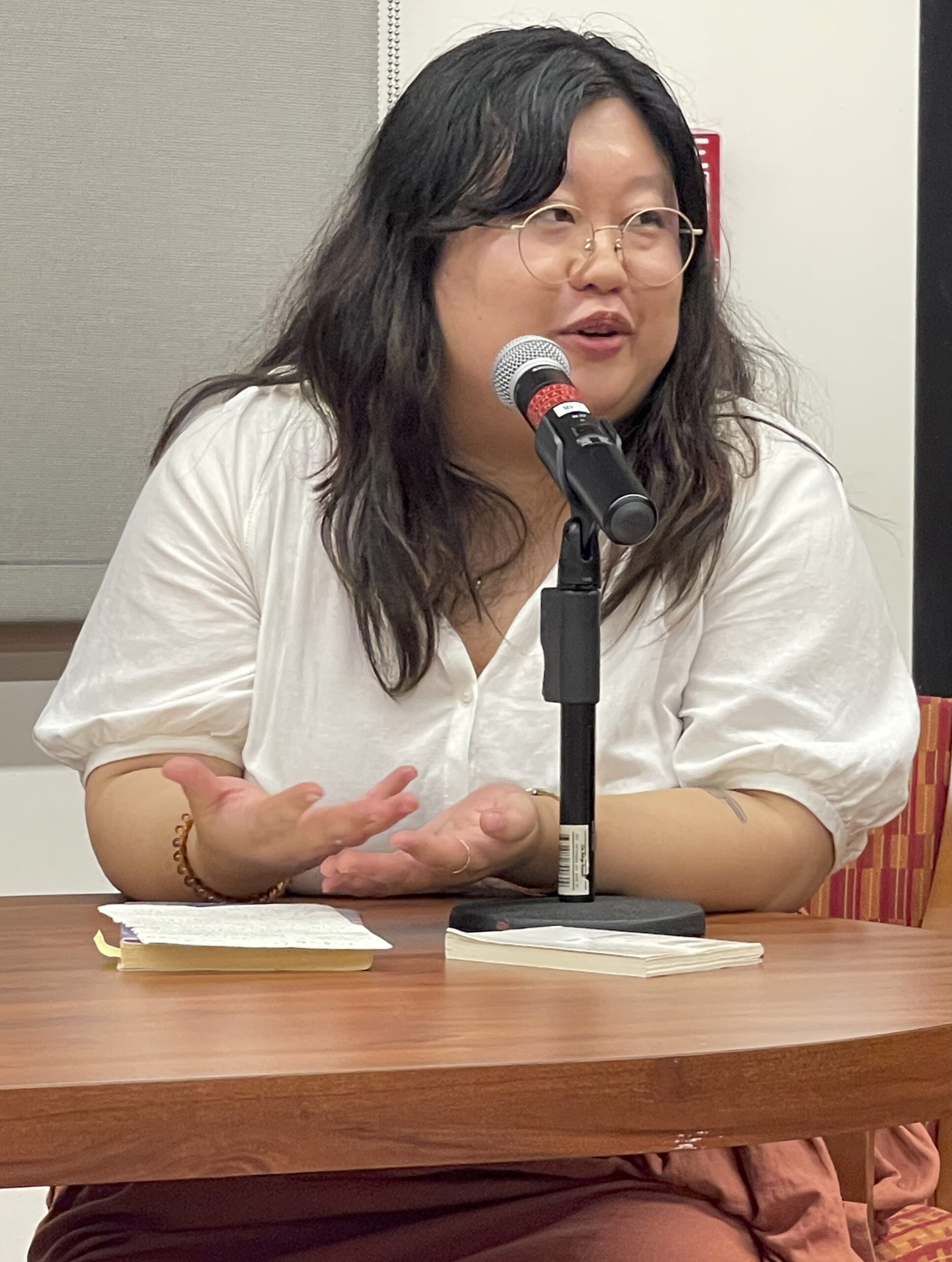
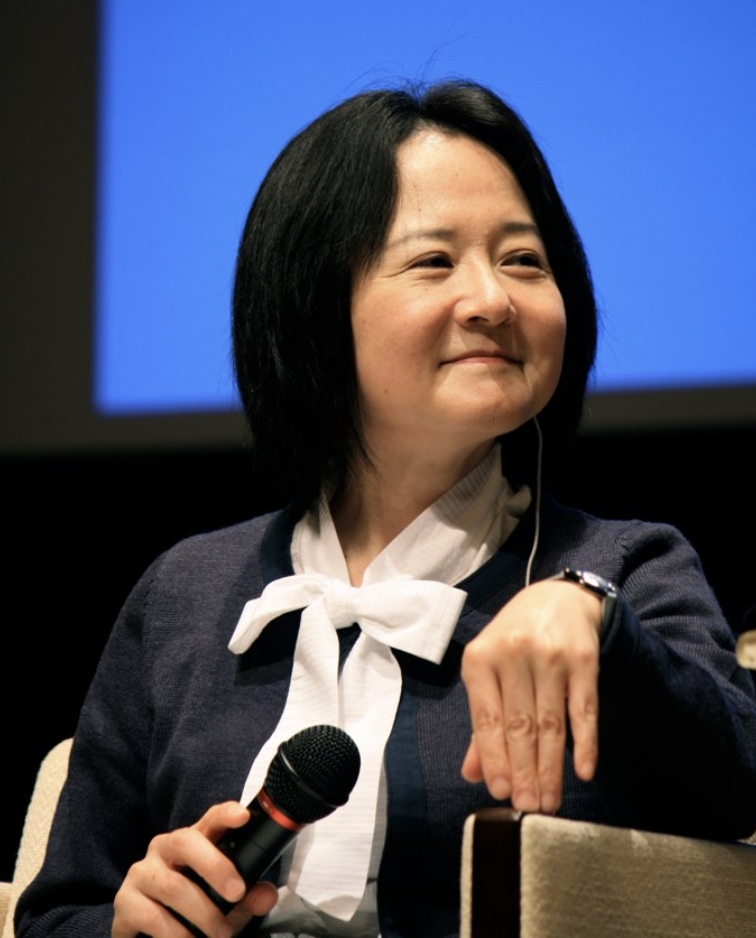
They will be joined by Chloe Edmondson, a lecturer in Stanford’s Department of French and Italian. She is the France-Stanford Center Fellow for the Roxane Debuisson Collection on Paris History. You will remember her from our event Madame de LaFayette’s The Princesse de Clèves in 2019. Actor, director, classicist, Stanford Prof. Rush Rehm, will round out the panel. (You will remember Rush from our 2016 event on Joseph Conrad’s The Shadow-Line: A Confession.)
The Nobel announcement recognized Modiano’s “consistent exploration of memory and the elusive nature of personal history, often set against the backdrop of occupied Paris.”
He has been praised for his “subtle, clear style and his ability to bring anonymous lives to light, making him a modern-day Proust in the eyes of some.”
According to World Literature Today, “Modiano’s fictional world is not postapocalyptic, like the fictional worlds of Beckett, but postrelational . . . a world where familiar patterns, whether placed in memory, neighborhoods, or situations, are dispersed and left to languish on the wind.”
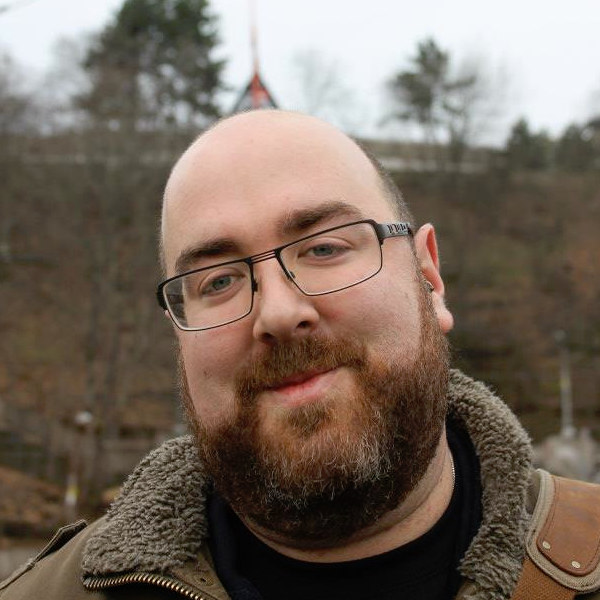
On Wednesday, 18 February, 2026, Another Look will present Nobel prizewinning Patrick Modiano’s 2007 novella, In the Café of Lost Youth (New York Review Books). The event will take place, as always, at 7 p.m. at Levinthal Hall, 424 Santa Teresa Street on the Stanford campus. You can read more about the event here. Meanwhile, Modiano’s eminent translator, Chris Cooke, has kindly agreed to answer a few questions about the collaboration.
“In novel upon novel Modiano has developed his ability to use almost non-existent documentation – old telephone numbers, street addresses – to endow the past with entrancing life and his Parisian cityscape with a singular voice.” ~ Nobel award ceremony speech)
1.You are considered Patrick Modiano’s foremost translator of the Nobel writer into English. How did that collaboration begin?
I’m just one of several translators who have translated Modiano, although I was perhaps early in releasing a translation during the buzz caused by his Nobel win. Many other excellent translators have translated Modiano. Daniel Weissbort translated Rue des Boutiques Obscures (Missing Person) in 1980; Barbara Wright translated Voyage de noces (Honeymoon) in 1990; these were both important translations of key works, well before Modiano came to international renown. Mark Polizzotti has translated nine or ten, Damion Searls and Frank Wynne have translated or retranslated works in recent years as well.
The situation around my translation was quite unique, in that I had already completed the translation for another, smaller publisher when the Nobel Prize was announced. That publisher had been negotiating the contract for many months, and no one saw the Nobel coming. The French rightsholder immediately cut off negotiations with that small publisher and the book went to “auction” with his other key works. Fortunately for me, NYRB Classics agreed to use the translation I had already completed, although the book was made available in a different translation in the U.K., as MacLehose Press chose to publish a translation by Euan Cameron.
How closely did you work with the author?
I was not in communication with Patrick Modiano while translating the book; when translating living authors, sometimes we exchange with them or send them some questions, other times not. Modiano as reputed to be quite reclusive. Vox magazine even once wrote a bit about the adjective “modianesque,” which they say “has come to refer to a particularly ambiguous person or situation, as a nod to Modiano’s reclusive, mysterious nature.” According to The Guardian, the Nobel Academy couldn’t get in touch with him ahead of time to let him know he was the winner of the prize. In the Café of Lost Youth was also one of my first book-length translations, begun in 2011, and back then I wouldn’t have known how to contact him if I tried.
2. What are the particular difficulties in working with Modiano’s text? What observations have you made about how Modiano’s French translates into your English?
In French, Modiano’s writing is pleasant because of an understated simplicity. He isn’t ornate, his lexicon isn’t overly complicated. Compared to many French authors, his syntax is quite simple: his sentences are on the short side, and he doesn’t string together clauses or pepper the text with commas in the way that many French writers tend to do. Of course, finding a similar flow and simplicity in the English version was a goal for me, but it wasn’t as easy as I had expected.
I discovered that if I stuck too closely to a sentence structure that mirrored Modiano’s French structure, the resulting English sentences felt quite choppy in places; at times it felt a bit like reading a grocery list. I went here. I did this. Next, I did that. I looked over at the bananas. Then I found the carrots. Et cetera.
To correct for this, and to end up with an English style that flowed in a simple but natural way that felt similar to the flow of Modiano’s French, I found myself having to do the opposite of what we so often need to do when translating literature from French to English: instead of turning a long and overly complex sentence held together by commas into several shorter, simpler sentences, which is quite common, I found myself sometimes having to stitch two or three short sentences together with commas. It was an eye-opener for me to see this difference between the languages, and in how similar structures can “feel” different in different languages.
The project led to some interesting research. First, a few of the characters were based on real people. The patrons of the Condé include several real writers, and the book draws on the Situationist movement in certain ways. Adamov was a playwright and translator, for example, connected with the Surrealist group in the 1920s and the Theatre of the Absurd in the late 40s and 50s. He got himself into political trouble both during and after World War II.
Maurice Raphaël was also a real writer, this was a pseudonym. He mostly published under the name Ange Bastiani. He wrote some crime novels, and also a kind of argot-laden prose reminiscent of Louis-Ferdinand Céline. His past was also rather mysterious, and it is said he was a noted collaborator during the War who managed to avoid the worst fates of the épuration after the fall of Germany and the Vichy government. His first novels are said to have been written while he was in prison.
Finally, there are also the connections between several of the characters and their literary preoccupations with movements like the Lettrists and the later Situationist International, concepts like the dérive, and so on.
Even more than these historical and literary references, Modiano’s work often leads to a lot of research into one of his most important reoccurring characters: the city of Paris itself. I often had a map of the city on hand when working on this book, but the project led to some interesting archival work, too: Paris has changed since the days this book takes place. Streets have been renamed, building went on all over the city in the decades that followed the War, new roads and metro stations and parks and squares have since come and gone. Modiano is quite clever at anchoring his stories in the history of the city, using the odd old street name or the earlier incarnation of a station that isn’t there anymore. Another fine technique he uses to focus his novels on an uncertain past that lives in memories and, at least in this case, in old maps and books.
Modiano’s entire list has as its primary concern the uncertainty of past time and memory. His protagonists seek proof, but typically end up sifting through fragments, traces, disconnected memories, faulty memories or lacunae. Inevitably, this leads to a text rich in disparate details, any trace that can remain of lives and events.
5. Modiano has worked with other translators as well as you, including Mark Polizzotti, and Damion Searls. Translation is a hidden world to most of us. How would you describe your different approaches?
All translators have their own methods, their own approaches, their own idiosyncrasies, and to some extent—in my belief—their own voices. I couldn’t tell you how Mark Polizzotti’s and Damion Searls’s approaches differ from my own approach to a text. I first met both Damion and Mark at the launch event held in Brooklyn for this particular Modiano novel. Damion had translated Une Jeunesse (Young Once) for NYRB Classics, and our two translations were released on the same day. Mark was the moderator for our discussion.
If you’d like to learn more about either of their views on translation, they have both written books on the craft: Mark’s book Sympathy for the Traitor: A Translation Manifesto was published by M.I.T. Press back in 2018; Damion’s book The Philosophy of Translation was published by Yale University Press in 2024. They are both insightful and approachable works, even if the titles sound a bit heavy, and are both infused with their author’s own personalities.
6. Why did you choose to translate In the Café of Lost Youth and not another of Modiano’s many novels?
I discovered Modiano’s novels on an extended trip to France in 2009. I brought several back home with me (Canada at that point) and picked up translations when I saw them. Rue des Boutiques Obscures (Missing Person) in Daniel Weissbort’s translation, Du plus loin de l’oubli (Out of the Dark) in Jordan Stump’s translation, Dora Bruder in Joanna Kilmartin’s translation. His themes of memory & forgetting, the instability of the past, the traces we leave behind with our lives, these all spoke to me. The feeling that you’ve forgotten something, or somebody, the bubbling up of random, unanchored fragments of memory, the way we at times construct memories from photographs that we don’t actually remember, the way two people who shared an event can remember it so differently, these were all feelings I had long wondered about, and they are all present in Modiano’s work. Having recently completed my first book-length translation, I thought I’d try my hand at translating one of his books. But which one?
Modiano had made his first appearances in English translations long before. A trickle early on, then a handful of translations from Harper Collins and Bison Books in the late 80s and 90s, then a handful from Godine in the early 2000s. He had never really gained much traction, however, and I reflected on why.
My take on this led to my choice of In the Café of Lost Youth. One of the principal criticisms I’ve read from people who don’t enjoy Modiano, whether they’ve read him in English or in French, is that he “just writes the same novel over and over again.” In many ways, this is true, but I feel it’s also missing the point. To me, none of these books are the same, even if there is a fair amount of overlap between them. The themes I’ve mentioned above are always present, but in each work, Modiano explores them from a slightly different angle.
I like to think of it this way: when faced with a very difficult (or impossible) question, what is the best way to approach it? From every possible angle. This is how I’ve always read Modiano. Each additional volume helps you connect a few more dots or shade in a bit more of the image, but that image will never be entirely available to you. Still, the more angles you approach it from, the closer you come to seeing something.
This led to my choice of In the Café of Lost Youth, which I find to be slightly atypical of him, in that it in a way works as a microcosm of his full book list. What I mean is this: for Modiano to really work for a reader, it’s best to read a bunch of his books. This wasn’t possible in English at the time. The handful that had been translated were mostly out of print and not easy to obtain.
In the Café of Lost Youth offers readers a shortcut to this, in that its multiple narrator format (the student, the detective, Roland, Louki) do this within one single work: each of them approaches the same past from a different angle, from a different perspective, and each one sees it differently.
By combining their four perspectives, the reader comes closer to seeing a truth, but it remains elusive in certain ways. This shortcut led me to believe that I could offer English-language readers a better taste of what makes Modiano great in a single read, and hopefully he could gain some traction, which would allow more of his work to be translated.
Then, of course, the 2014 Nobel Prize in Literature was awarded, and suddenly the translations came pouring out and it was moot. Café is still one of my favorite Modiano novels, however, and I think that these qualities make it a good place to start, or a good choice for people who only want to read one of his books.
On Wednesday, 18 February, 2026, Another Look will present Nobel prizewinning Patrick Modiano’s 2007 novella,In the Café of Lost Youth(New York Review Books). The event will take place, as always, at 7 p.m. at Levinthal Hall, 424 Santa Teresa Street on the Stanford campus.
Panelists will include Stanford Prof. Robert Pogue Harrison, author, director of Another Look, host of the radio talk show and podcast series Entitled Opinions, and a regular contributor to The New York Review of Books, and Stanford Prof. Tobias Wolff, one of America’s leading writers and the founding director of Another Look, as well as a recipient of the National Medal of Arts.
They will be joined by Chloe Edmondson, a lecturer in Stanford’s Department of French and Italian. She is the France-Stanford Center Fellow for the Roxane Debuisson Collection on Paris History. You will remember her from our event Madame de LaFayette’s The Princesse de Clèves in 2019. Actor, director, classicist, Stanford Prof. Rush Rehm, will round out the panel.
The Nobel announcement recognized Modiano’s “consistent exploration of memory and the elusive nature of personal history, often set against the backdrop of occupied Paris.”
He has been praised for his “subtle, clear style and his ability to bring anonymous lives to light, making him a modern-day Proust in the eyes of some.”
A brilliant math professor has a peculiar problem: ever since a traumatic head injury in a car accident in 1975, he has lived with only eighty minutes of short-term memory. That’s the story of Yōko Ogawa‘s The Housekeeper and the Professor. We’ve already posted links to the podcast and video from our September 16, 2025 event. Here are David Schwartz’s photos from the popular event.
His brain is like a tape that begins to erase itself every eighty minutes. An astute young housekeeper is hired to care for him. Her 10-year-old son becomes intrigued by the mysteries of math and befriends him. And every morning, as the Professor and the Housekeeper are introduced to each other anew, a strange and beautiful relationship blossoms between them. the Professor’s mind is still alive with elegant equations from the past. And the numbers, in all of their articulate order, reveal a sheltering and poetic world to both the Housekeeper and her young son.
Listen to the Stanford discussion on September 16, 2025, at the podcast on the Stanford Humanities Center link below. Or go to the YouTube video at the bottom of this post.
Listen to the Stanford discussion on September 16, 2025, at the podcast on the Stanford Humanities Center link above. Or go to the youtube video at the bottom of this page.
A terrific night and a full house! Yōko Ogawa’s The Housekeeper and the Professor was a lovely success at the Stanford Humanities Center last week, and we’re very glad so many of you could join us, virtually and in person.
A recap of the 2003 novel: A brilliant math professor has a peculiar problem. Ever since a traumatic head injury in a car accident in 1975, he has lived with only eighty minutes of short-term memory. His brain is like a tape that begins to erase itself every eighty minutes. An astute young housekeeper is hired to care for him. Her 10-year-old son becomes intrigued by the mysteries of math and befriends him. And every morning, as the Professor and the Housekeeper are introduced to each other anew, a strange and beautiful relationship blossoms between them. The Professor’s mind is still alive with elegant equations from the past. And the numbers, in all of their articulate order, reveal a sheltering and poetic world to both the housekeeper and her young son.
Listen to the Stanford discussion on September 16, 2025 here, watch the youtube video below. And find out why the rare date of our event 9/16/25 represents a Pythagorian triple over at National Public Radio here.
Join us at 7 p.m. (PST) on TUESDAY, SEPTEMBER 16, when Another Look presents Yōko Ogawa’s 2003 “The Housekeeper and the Professor,” a surprising story about what it means to live in the present, and about the curious equations that can create a family. The hybrid event will take place in Stanford’s Levinthal Hall, at the Stanford Humanities Center at 424 Santa Teresa Street on the Stanford campus.
Haven’t heard of her? You should. She won the American Book Award and every Japanese literary honor. Moreover, we’ve interviewed Ogawa’s translator Stephen Snyder, and got some responses from the Japanese author herself.
According to Nobel prizewinner Kenzaburō Ōe, “Yōko Ogawa is able to give expression to the most subtle workings of human psychology in prose that is gentle yet penetrating.”
The story: a brilliant math professor has a peculiar problem: ever since a traumatic head injury in a car accident in 1975, he has lived with only eighty minutes of short-term memory. His brain is like a tape that begins to erase itself every eighty minutes. An astute young housekeeper is hired to care for him. Her 10-year-old son becomes intrigued by the mysteries of math and befriends him. And every morning, as the Professor and the Housekeeper are introduced to each other anew, a strange and beautiful relationship blossoms between them. the Professor’s mind is still alive with elegant equations from the past. And the numbers, in all of their articulate order, reveal a sheltering and poetic world to both the Housekeeper and her young son.
According to Pulitzer-winning author Junot Diaz, “It’s a story about love, which is quite different from a love story. It’s one of the most beautiful novels.”
Our panelists for the event:
1) Robert Pogue Harrison, director of Another Look and host for the popular radio show Entitled Opinions; he is Stanford’s Rosina Pierotti Professor of Italian Literature, Emeritus.
2) Indra Levy, associate professor in East Asian Languages and Cultures, is a senior fellow at the Freeman Spogli Institute for International Studies as well as an associate professor in Comparative Literature. She is the inaugural recipient of the Irene Hirano Inouye Memorial Award, Terasaki Center for Japanese Studies, at UCLA.
3) The third panelist is Rosaley Gai, the daughter of Chinese immigrants. She was swept up in the world of Japanese-language media, anime, and video games, which eventually led to her interest in J-pop and Japanese dramas. At Stanford she is working for a doctorate in Japanese literature and media.
4) And we are adding a surprise fourth for this occasion: Lernik Asserianisthe Director of Stanford Undergraduate Research Institute in Mathematics (SURIM) and a Stanford Summer Bridge Program instructor. She has a PhD in Applied Mathematics at University of Southern California (USC), and is the recipient of a number of awards at Stanford and USC. She spent two-and-a-half years as a student researcher at NASA’s Jet Propulsion Laboratory (JPL) SIRI Internship Program, California Institute of Technology (Caltech) MURF Internship Program, and JPL Year-Round Internship Program, working on various projects in Earth Sciences.
This event is sponsored by Stanford Continuing Studies and the Division of Literatures, Cultures, and Languages. It is free and open to the public. Registration is encouraged, but walk-ins are welcome.
Another Look interviews Yōko Ogawa and translator Stephen Snyder, author of The Housekeeper and the Professor
On Tuesday, September 16, Another Look will spotlight Yōko Ogawa’s The Housekeeper and the Professor, a surprising story about what it means to live in the present and about the curious equations that can create a family.
Don’t forget to register for the September 16 event, in zoom or in person, here:
Ogawa’s book is translated by Stephen Snyder, professor of Japanese Studies at Middlebury College in Vermont and a leading translator of Japanese literature. Both agreed to talk to Another Look for the upcoming event.
In addition to his work with Yōko Ogawa, Snyder has translated Kenzaburō Ōe, Ryu Murakami, and Miri Yu, among others. His translation of Natsuo Kirino’s Out was a finalist for the Edgar Award for best mystery novel in 2004. His translation of Yōko Ogawa’s Hotel Iris was short-listed for the Man Asian Literary Prize in 2011.
Both author and translator offered to answer a few questions about this surprising book, as well as the complex dynamic between translator and author, as we prepare for our Stanford celebration of Ogawa’s book. Cynthia Haven was able to ask both translator and author a few questions.
Questions for author Yōko Ogawa:
Yōko Ogawa generously offered to answer a couple questions for Another as well. She is busy with the serialization of her next novel, so her comments are necessarily brief:
Question #1 for Yoko Ogawa: I’ve read of your interest in The Diary of Anne Frank and its influence on your work. Can you elaborate a little?
One of the major reasons I was drawn to The Diary of a Young Girl is that, within the confinement and restrictions of being locked away, there existed the infinite freedom of writing a diary. The ability to make such seemingly contradictory states coexist gives people vitality. I believe I have continued to pursue this in my fiction.
The Professor can only retain memories for 80 minutes. But by letting his mind play within the infinity of numbers, he enriches his life. Here too, we find the coexistence of the finite and the infinite—of contradiction.
Question #2 for Yoko Ogawa: Can you tell us a little about the author’s interest in mathematics?
The farther something is from language, the more I want to write about it in fiction.
Chess, birdsong, mementos, numbers… All are things that require no words. To express the silent nature of numbers through language—this too contains the allure of contradiction.
Questions for translator Steven Snyder:
Your collaboration with Yōko Ogawa has been a fruitful one. How did your work together begin?
I am extremely fortunate to have been asked to translate so many of Yōko Ogawa’s works. More than twenty years ago, I was asked to translate “A Cafeteria in the Evening and a Pool in the Rain” for a literary journal that ceased publication shortly after I had finished the translation. Yōko’s agent suggested that we send the story to TheNew Yorker, and after it was published there, Picador agreed to publish the first book-length works.
You’ve translated the dystopian The Memory Police, The Diving Pool, Hotel Iris,and of course our fall feature for Stanford’s Another Look book club, The Housekeeper and the Professor. How was the work different on each? How did your understanding of Ogawa’s work change with each translation?
I translated The Diving Pool first, followed by The Housekeeper and the Professor, Hotel Iris, Revenge, then The Memory Police and, most recently, Mina’s Matchbox. The works are quite different—novels, novellas, and linked short stories—and the tone varies considerably from lighter works, such as The Housekeeper and the Professor and Mina’s Matchbox, to much darker ones, such as The Memory Police and Hotel Iris, but Ogawa’s style is consistent. Her prose is always lucid and stately, her imagery always original and striking. As I’ve translated these works – and read many others that have not been translated into English – I feel I’ve come to understand the common themes and the larger authorial vision that unites her work. A reader could explore this by making a careful comparison, for example, between The Housekeeper and the Professor and Hotel Iris. While one work is charming and uplifting and the other extremely dark, they share a common structure and any number of motifs, though employed to very different ends. As I’ve translated successive works, I have also come to feel that I am better able to grasp the essence of Ogawa’s style in Japanese and create an idiom for it in English that evolves from work to work but is also informed by the general consistency of her practice.
What are the challenges of translating Ogawa’s work? What inevitably gets lost in translation?
A great deal is inevitably lost in any translation, especially one between languages as different as Japanese and English. The genius of Japanese linguistic economy – elided pronouns, formulaic nominal patterns repeated verbatim, etc. – is impossible to reproduce in English without making the prose seem nonsensical. English can seem wordier, more explicit, less suggestive, but a consistent translation strategy, especially with the luxury of being able to develop it over several works, can help mitigate the loss. There are also challenges specific to certain works and scenes.
In The Housekeeper and the Professor, perhaps the most difficult scene was the one where the professor helps Root with his homework assignment on palindromes. Palindromes are, by definition, untranslatable. With the help of the editor, I had to find English language palindromes to substitute for the Japanese ones Root and the professor quote or invent. In a moment of translation serendipity, when the professor proposes the final palindrome, in Japanese he says “Reito toire,” a nonsense phrase that translates as “frozen toilet,” but searching through English palindromes, we discovered “I prefer pi”—a choice that could not have been better suited to the theme of the novel.
We’re not the first to showcase The Housekeeper and the Professor. You note it has been a featured book in colleges and cities around the world – why do you think that is so? What reaction have you heard from readers around the world? Any stories about its reception?
I suspect it was adopted as common reading by libraries and colleges because it combines a moving human story with a clever and stimulating introduction to some basic math concepts. I think some of us who have little skill in mathematics are attracted to the gentle, manageable explanations. One town that selected the book for its library reading program invited a guest who had a disability that resembled the professor’s and asked him to discuss the experience of memory loss. Sitting next to him at dinner added a new understanding to my own reading of the novel.
In a New York Times interview in 2019, you said, “Her narrative seems to be flowing from a source that’s hard to identify.” Has it been any easier to identify in the years since? Can you share what you have learned?
Did I say that? I suppose I was referring to the extraordinary range of Yōko’s work and her amazing productivity, but also to the mysterious way she structures a narrative for extraordinary effect. The linkages between the eleven stories in Revenge, for example, are as clever and complex as they are illuminating and central to the power of the work, but it’s difficult to say where that particular narrative impulse originates—even when reading as closely as a translator must.
What’s next for you two? Is there another book in the works?
Yes, I am currently translating Chinmoku hakubutsukan under the working title “The Museum of Silence.”
Prof. Robert Pogue Harrison had a question that is on all our minds: Does Ogawa have a passion for mathematics? How did the idea for this book come to her?
I noticed that in 2006, she worked alongside the mathematician Masahiko Fujiwara to co-write “An Introduction to the World’s Most Elegant Mathematics,” a dialogue on the extraordinary beauty of numbers. Surely that was an influence – The Housekeeper and the Professor was published two years later. What has she said about it?
Professor Harrison is correct, Yōko does indeed have a passion for mathematics, though the influence runs the other way. She published The Housekeeper and the Professor (originally Hakase no aishita suushiki) in 2003 as a result of her longstanding interest in mathematics and, on the basis of its great success in Japan, began the discussion with Professor Fujiwara that resulted in the book mentioned. Like many writers, Japanese or otherwise, she tends to develop great passions for a variety of subjects, many of which result in a novel. Her interest in chess became the wonderful “Holding a Cat, Swimming with an Elephant,” which has not yet been translated into English but has been translated into French by Martin Vergne.
Please join us at 7 p.m. (PST) on Tuesday, September 16, when Another Look presents Yoko Ogawa’s The Housekeeper and the Professor, a surprising story about what it means to live in the present and about the curious equations that can create a family. The hybrid event will take place in Stanford’s Levinthal Hall, Hall at the Stanford Humanities Center at 424 Santa Teresa Street on the Stanford campus.
According to author Kenzaburō Ōe, “Yōko Ogawa is able to give expression to the most subtle workings of human psychology in prose that is gentle yet penetrating.”
The story: a brilliant math professor has a peculiar problem: ever since a traumatic head injury in a car accident in 1975, he has lived with only eighty minutes of short-term memory. His brain is like a tape that begins to erase itself every eighty minutes.
An astute young housekeeper is hired to care for him. Her 10-year-old son becomes intrigued by the mysteries of math and befriends him. And every morning, as the Professor and the Housekeeper are introduced to each other anew, a strange and beautiful relationship blossoms between them. The Professor’s mind is still alive with elegant equations from the past. And the numbers, in all of their articulate order, reveal a sheltering and poetic world to both the housekeeper and her young son.
According to Pulitzer-winning author Junot Diaz, “It’s a story about love, which is quite different from a love story. It’s one of the most beautiful novels.”
We will be announcing panelists soon. Meanwhile, register on the link below for hybrid or in-person attendance (we welcome walk-ins, too, but encourage registrations, which allow us to plan):
On Thursday, April 17, Another Look presented Dino Buzzati’s 1960 The Singularity. The book, originally published in 1960, probes some of the deeper human questions surrounding artificial intelligence . It was republished last year in a new translation by Anne Milano Appel for New York Review Books.
Will Dunn, writing in The New Statesman, called it “a stylish, compelling little mystery” that, although more than six decades old, “predicts … with unsettling accuracy. Its characters are confronted by the presumptuous arrogance of men whose brilliance in engineering disguises how morally and emotionally incapable they are.”
The hybrid event took place in Levinthal Hall at the Stanford Humanities Center. Three of the panelists for the event agreed to share their comments.See the posts below.
Panelists included:
• Stanford Prof. Robert Pogue Harrison, author, director of Another Look, host of the radio talk show and podcast series Entitled Opinions, and a regular contributor to The New York Review of Books
• Stanford Prof. Tobias Wolff, one of America’s leading writers and the founding director of Another Look, as well as a recipient of the National Medal of Arts.
• Stanford Associate Prof. Laura Wittman, is a specialist in modern Italian literature. Some of you will remember her from our 2018 event on William Henry Hudson’s Green Mansions.
• Bryan Cheong received his Bachelor of Science from Stanford University with a degree in applied and computational mathematics before receiving a Masters in Materials Science, also from Stanford. For the past few years he’s been working in the high-tech sector of Silicon Valley. Listen to the podcast on the link below:
A Christian theological subtext underlies Laura’s lamentations about being deprived of a body in her cybernetic afterlife. Many visions of the afterlife in Western culture involved a disembodied soul, a de-corporealized selfhood as it were. Plato gave us the most sublime version of that wholly spiritual or noetic afterlife. Yet Christianity introduced a different hope or expectation into the equation, one which convinced Saint Augustine, who had been sold on Plato’s philosophy, to convert to Christianity. Why?
Because Christianity promised a resurrection of the body. Bodies are the locus of identity. Without bodies there is no recognition. In Dante’s paradise the beatified souls, who exist as points of light, anticipate with surplus of joy the resurrection of their flesh at the end of time. Their bliss is in fact imperfect until they recover in time what time has robbed them of, that is, the bodily matter with which their personal identities and appearances were bound up. Until the restitution of their bodies at the end of time the blessed in Dante’s heaven, they cannot properly recognize one another, as they long to do with their loved ones.
In Paradiso 14 Dante writes of the two groups of saints he meets:
“So ready and eager to cry ‘Amen’ did one chorus and the other seem to me that clearly they showed their desire for their dead bodies, not just for themselves but for their mothers, and fathers, and the others who were dear to them before they became sempiternal flames.”
In that respect all of us on Earth, insofar as we are in our bodies, are more blessed than the saints in Dante’s heaven, not only because we have the extraordinary blessing of proprioperception[1] (which Laura desperately desires), but because we also have the extraordinary capacity to recognize one another in our individuation.
[1]Proprioperceptio, otherwise known as kinesthesia, is your body’s ability to sense movement, action, and location. Proprioception is crucial for balance, posture, and coordination while standing.
Android fiction is very old. It began long before actual androids. It started somewhere in the early 19th century with E.T.A. Hoffman’s story “The Sandman” (1816). I suspect you could back a lot further. Descartes wrote about “animal-machines” in the 17th century.
Generally speaking, the genre of android fiction expresses much anxiety about what it is to be human, particularly in relation to a new technology – whatever the technology in that historical moment happens to be. Think of Frankenstein (1818). Technology is supposed to free humans from nature and from death, to make life better for humans and perhaps to make better humans. And yet it seems to produce monsters. As in Frankenstein, these supposed monsters often reveal something scary about humans themselves; they point the finger at us, who make and use the technology.
Much of the fundamental mathematical work of artificial intelligence models was actually contemporaneous with Dino Buzzati, in the 1940s to 1960s. Although no-one was quite sure yet of the startling effectiveness of such models at scale, when the perceptron (a single layer neural network) was invented in 1958, it was already claimed to be the embryo of a computer that in the future would be “able to walk, talk, see, write, reproduce itself and be conscious of its existence.” [See link below] [1]
Endriade and the scientists in Buzzati’s novel build their artificial intelligence without language. “It doesn’t know any languages. Language is the worst enemy of mental clarity. In his desire to express his thought in words at all costs, man has ended up making such messes.”
The novel mentions that Laura has “a soul,” called “the egg” – her, or its, personality and consciousness emanate from it. But we cannot isolate which parts of even our current non-conscious models – which attention heads, which single locality – contains specific capabilities or attributes or personalities. They are all distributed, and like in our brains, one neuron can be overloaded with many simultaneous uses. I cannot say if the soul is a capability or trait, but I should think that it is much more complex than what we think of as capabilities and traits in models that we currently have. The ability to write a line in iambic pentameter should not be as complex as having a soul.
Please join us at 7 P.M. (PST) on Thursday, April 17, when Another Look presents Dino Buzzati’s 1960 The Singularity. The hybrid event will take place in Levinthal Hall at the Stanford Humanities Center at 424 Santa Teresa Street on the Stanford campus.
The Singularity, originally published in 1960, probes some of the deeper human questions surrounding artificial intelligence. It was republished last year in a new translation from the Italian by Anne Milano Appel for New York Review Books.
Will Dunn, writing in The New Statesman, called it “a stylish, compelling little mystery” that, although more than six decades old, “predicts … with unsettling accuracy. Its characters are confronted by the presumptuous arrogance of men whose brilliance in engineering disguises how morally and emotionally incapable they are.”
Kevin Brockmeier, writing in Electric Literature, called Buzzati “one of the great literary practitioners of the dark marvelous … one corner iin the triangle of indispensable twentieth-century Italian fantasists, along with Italo Calvino and Tommaso Landolfi.“
Panelists will include Stanford Italian Prof. Robert Pogue Harrison, author, director of Another Look, host of the radio talk show and podcast series Entitled Opinions, and a regular contributor to The New York Review of Books, and Stanford Prof. Tobias Wolff, one of America’s leading writers and the founding director of Another Look, as well as a recipient of the National Medal of Arts.
We have two guest panelists as well:
Stanford Associate Prof. Laura Wittman, is a specialist in modern Italian literature. Some of you will remember her from our 2018 event on William Henry Hudson’sGreen Mansions.
Bryan Cheong received his Bachelor of Science from Stanford University with a degree in applied and computational mathematics before receiving a Masters in Materials Science, also from Stanford. For the past few years he’s been working in the high-tech sector of Silicon Valley.
Stanford will be featuring an “Another Look” discussion of Dino Buzzati’s 1960 The Singularity on Thursday, April 17, in Levinthal Hall at the Stanford Humanities Center at 424 Santa Teresa Street on the Stanford campus.Register for the event, whether on zoom or in person, here.
Meanwhile, in preparation for the event,Another Look director, Stanford Prof. Robert Pogue Harrison, interviewed Edwin Frank, director of New York Review Books and the founder of the NYRB series.Enjoy!
Robert Pogue Harrison: Congratulations on rescuing Buzzati’s remarkable novel from oblivion. Almost none of my literary friends in Italy had heard of it before I mentioned that a new English translation has recently been published by NYRB. Now it seems that Amazon Italy has made it available on demand, no doubt because of the attention the book is receiving in the USA. May I ask how this book first came to your attention?
Edwin Frank: I don’t exactly recall who alerted me to the existence of the book. It may have come through our readers recommendations page, and I read it in the old translation.
Harrison: In Italian the book is called Il grande ritratto (“The Great Portrait”). The English title has little if anything to do with the original title. Why did you and Anne Milan Appel (an excellent translator) decide to call it “The Singularity”?
Frank: Buzzati’s title makes it clear that the book is, as so many of his books are, more about checkered love than science and consciousness, but the years since have given it an added dimension of significance, and Anne and I hoped to underline this with the title change.
Harrison: The story does not have a happy ending. Do you think that’s because some of the main characters are misguided in their ambitions, or because Dino Buzzati was wary about the direction the new technologies were headed in his time?
Frank: It is a curious instance of a moralizing scientific fable written in the spirit of, say, Diderot, taking on a dimension of prophecy, but it is not alone in that.
Harrison: Around the time Buzzati wrote The Singularity, Martin Heidegger declared: “No prophecy is necessary to recognize that the sciences now establishing themselves will soon be determined and regulated by the new fundamental science that is called cybernetics,” yet he was in fact prophetic when he said that. Do you think Buzzati was equally prophetic when he wrote this astonishing novel?
Frank: The unhappy ending also has a double valence: if it picks up on Wilde’s “Each man kills the one he loves” (and only doubles down on the misdeed if, as in this story, he seeks to reverse that outcome), now we can see it as reflecting a fundamental misapprehension on the part of science about the nature of personhood, one that gives us that much more opportunity to misunderstand one another.
Don’t forget to register for the event, whether on zoom or in person, here.
“My brother’s name was Musa. He had a name. But he’ll remain ‘the Arab’ forever.” Kamel Daoud in 2015 (Photo: Claude Truong-Ngoc, Wikimedia Commons)
In Albert’s Camus’s 1942 The Stranger, a French shipping clerk named Meursault shoots an Arab man on the Mediterranean beach. Algerian author Kamel Daoud retells the story from the point of view of the dead man’s family: “My brother’s name was Musa. He had a name. But he’ll remain ‘the Arab’ forever.”
Another Look discussed The Stranger in 2015 – now we’ll read Daoud’s 2013 retelling of the story, seventy years later. Please join us at 7 P.M. (PST) on Wednesday, November 13, 2024, at the Stanford Humanities Center when Another Look presents Kamel Daoud’s The Meursault Investigation. James Campbell,writing in the Wall Street Journal, calls it “a shrewd critique of a country trapped in history’s time warp.”
Panelists will include Stanford Prof. Robert Pogue Harrison, author, director of Another Look, host of the radio talk show and podcast series Entitled Opinions, and a regular contributor to the New York Review of Books, and Stanford Prof. Tobias Wolff, one of America’s leading writers and the founding director of Another Look, as well as a recipient of the National Medal of Arts.
Stanford lecturer Michaela Hulstyn will round out the panel. Her Unselfing: Global French Literature at the Limits of Consciousness was published with the University of Toronto Press in 2022. Her research interests encompass the global French literary world, including texts by modernist figures in France and Belgium along with writers from Algeria, Rwanda, and Morocco. Like Camus, Daoud was born in Algeria. He says Camus “cured” him in a time and place where ideology has become preeminent. “His priority is not an ideology, but his life, his body,” according to The Financial Times.
“The problem was I liked doubt,” Daoud said.”I was deeply wary of totalitarian explanations. I was born in a collectivist period. The primary value was the group, not the individual. And I am profoundly individualistic.” He now lives under a fatwa.
We are announcing our fall event a little bit early, to allow you time to revisit The Stranger and reacquaint yourself to Camus’s timeless classic. You’ll want to keep it handy.
Jun’ichirō Tanizaki would have been pleased. We didn’t exactly turn off the lights last week, but we did at least turn them down, as the Nobel-nominated Japanese writer would have wished.
The result was a surprisingly intimate evening on on Monday, April 29, as our four panelists took on an unusual event: Another Look discussed Tanizaki‘s 1933 classic In Praise of Shadows at the Stanford Humanities Center’s Levinthal Hall on the Stanford campus. His 73-page essay truly is an overlooked classic, at least in the West.
You couldn’t make it to the event? Here’s another way to attend: the Youtube video of the event is here. And for your listening on the road or as you rest, you can listen to the podcast here. And for photos? Scroll below. (All photos by David Schwartz.)
Panelists included Stanford Prof. Robert Pogue Harrison, author, director of Another Look; Mark Gonnerman, a Stanford PhD in religious studies; Meri Mitsuyoshi, whose appreciation of Japanese aesthetics is informed by study of ritual and intergenerational cultural transmission; and Ethen Wood, the associate director of Stanford’s Sustainable Architecture + Engineering.
As always, this event was sponsored by the Stanford Division of Literatures, Cultures, and Languages and the Continuing Studies Program at Stanford, and the Stanford Humanities Center.
Another Look aficionado Jeanne Verville, who recently visited Japan, wrote us this letter after the Another Look event:
“The long essay was written by one of Japan’s greatest writers at the time Japan was overtaxed with its new extended empire. It was a time when ‘old’ (quiet and sequestered) Japanese aesthetics and ways of life had given way to the rapid change, bright lights, and noise of industrial development and the rise of militarism. Tanizaki looks to the past and reflects on what has been destroyed in Japanese tradition by twentieth century Western influences.
A finalist for the Nobel, but death took him first.
“Having just experienced the architecture of temples, shrines, a ryokan, tea houses, Gassho-Zukuri farmhouses, large rambling gardens, the Ryoan-ji Zen temple garden, government buildings, and modern Tokyo’s Ginza area, bullet trains, the new train station in Kyoto, etc., the essay and discussion deepened my understanding of old Japanese aesthetics, many of which have appealed to me for decades. Think: uncluttered lines, focus on small slices of beauty, the quietness of gardens, tea ceremonies, the people…
“Deepening the learning is always a joy, but the experience of reading the essay and attending the discussion resonated for me in even deeper ways as I search for healthy ways of being in the scream of today’s terrifying changes: climate, political, religious intolerance, overt hatred, immoral wealth distribution, discrimination, and materialism.
“Questions the discussion raised for me:
What am I missing by turning on the lights? What am I not noticing in the shadows? When is the last time I truly lost myself peering into the night sky? What do I hear and feel when sitting alone in the dark by the lake? What mysteries of life have disappeared in the glare of the spotlight? How does shadow create intriguing aesthetics? What comforts do I allow myself that detract from beauty and calm? What would I gain by not reaching too quickly for comfort? What aestetic pleasures am I missing by performing tasks in the light? (e.g., more fully feeling . shapes and textures when folding clothes) What would cooking by candlelight feel like? What would I notice? What insights am I missing by not walking around the block in the dark? What am I missing by spending too much time on blue light-emitting devices? Am I self-inducing cyber sickness? In considering the benefits of shadow, how would experiencing them make me feel more . . . connected to my life? How can I come out of my shadows and enhance, in quiet ways, the lives of others?
This event is sponsored by the Stanford Division of Literatures, Cultures, and Languages and the Continuing Studies Program at Stanford, and the Stanford Humanities Center.
Add your own comments in the comments section at the bottom of this post.
Another Look Director Robert Pogue Harrison kicks off the discussion. Below, left to right, Robert Harrison, Ethen Wood, and Mark Gonnerman in discussion. Meri Mitsuyoshi below. All photos by David Schwartz.
Please join us for a discussion of Jun’ichirō Tanizaki‘s 1933 classic In Praise of Shadows. Another Look will discuss Tanizaki’s 73-page essay at 7 p.m. (PST) on Monday, April 29, at Levinthal Hall in the Stanford Humanities Center at 424 Santa Teresa Street on the Stanford campus. This is a hybrid event, so you can come in person or via zoom, but we encourage you to register either way here or on the link below.
Panelists will include Stanford Prof. Robert Pogue Harrison, author, director of Another Look, host of the radio talk show and podcast series Entitled Opinions, and a regular contributor to the New York Review of Books, and three special guests: Mark Gonnerman, who has a Stanford PhD in religious studies, has been a student of Japanese histories and cultures since he first ventured to Kyoto in the mid-1970s. Meri Mitsuyoshi is a longtime Another Look aficionado whose appreciation of Japanese aesthetics is informed by study of ritual and intergenerational cultural transmission.
Rounding out the panel: Ethen Wood, the associate director of Stanford’s Sustainable Architecture + Engineering. For eleven years, he has taught architectural design studio courses and co-taught courses on Japanese modern architecture. In addition, he has his own architectural design office in San Francisco. He grew up in San Francisco’s Zen Buddhist community in the 80’s and spent part of his childhood in a Zen Buddhist monastery in the mountains of Carmel, without electricity. “This was part of a concerted effort by the temple to stay true to the traditions and historic experiences from Japan,” he said.
“In his delightful essay on Japanese taste Junichiro Tanizaki selects for praise all things delicate and nuanced, everything softened by shadows and the patina of age, anything understated and natural – as for example the patterns of grain in old wood, the sound of rain dripping from eaves and leaves, or washing over the footing of a stone lantern in a garden, and refreshing the moss that grows about it,” writes A.C. Grayling in The Guardian. “Tanizaki’s relish in the world and its ordinary pleasures offers a sharp contrast to the functional, plastic, disposable aesthetic of modern western life.”
This isn’t the first time Another Look discusses an essay – our discussion of Virginia Woolf‘s A Room of One’s Own got worldwide attention. We hope Tanizaki’s consideration of Japanese architecture and aesthetics generates the same enthusiasm. Tanizaki (1886-1965) was nominated several times for a Nobel prize, and was on the final shortlist in the year before his death. Youtube video here discusses his life and his book.
This event is sponsored by the Stanford Division of Literatures, Cultures, and Languages and the Continuing Studies Program at Stanford, and the Stanford Humanities Center.
Another Look had a full house on Monday, January 8, as we explored Herman Melville‘s 1853 classic story Bartleby, the Scrivener: A Story of Wall Street. Every seat was taken – literally, every one – with hundreds more of you at home, watching on zoom. The discussion was insightful, lively, and engaging …. and seemed to go on forever. Thank you all for your questions. We regret that we didn’t have time to answer them all.
Another Look director Robert Pogue Harrison
Tobias Wolff
Panelists included Stanford Prof. Robert Pogue Harrison, author, director of Another Look, host of the radio talk show and podcast series Entitled Opinions, and a regular contributor to the New York Review of Books, and Stanford Prof. Tobias Wolff, one of America’s leading writers and the founding director of Another Look, as well as a recipient of the National Medal of Arts. Two special guests rounded out the high-powered panel out to four: Robert’s brother Thomas Harrison, professor of European Languages and Transcultural Studies at the University of California, Los Angeles, and Katie Peterson, an award-winning poet and professor of English at UC-Davis, and a Stanford alum.. You can see them in the photo above, taken by Another Look fan and photographer David Schwartz.
Now you have a chance to see it again – or for the first time if you missed it. The video is here, and the podcast is here. It’s certainly a discussion that would merit “another look.”
What did you think? Feel free to comment on the book or the discussion. Meanwhile, we had so many questions! Here’s a few we didn’t get a chance to ask our panelists. You can reply to them in the comments section below.
Katie Peterson
Thomas Harrison
Bartleby never said ‘no’, he always preferred not to. And yet nobody ever challenged him to make a more clear response. Do we learn anything by the narrator’s never choosing to challenge the equivocation?
Isn’t it more illuminating to see Bartleby as existing within the narrator, as a product of the lawyer’s decision to live an easy life, as a double of the lawyer — as his unconscious. A no-saying of the unconscious that can’t be explained or penetrated.
At the same time, isn’t Bartleby a vision of the power of nihilism, a silent cousin of the “Underground Man” ten years later, created out of the same interest of Melville’s as Dostoevsky’s in the nature of meaning in a world where God is rejected.
It struck me that Bartleby was in some ways like a Rorschach inkblot test – onto which the narrator projects a changing array of attempted interpretations. But for someone who seems to have made a living by writing (if as an automaton rather than a ‘creative’ writer), Bartleby is unintelligible, unreadable – provoking the narrator’s and the audience’s speculations about what he might be or mean. So in some ways, is the story about the impossibility of both interpretation itself and interpretation of the inner lives of other people? By the way, postal “dead letter” offices deal with all undeliverable mail – not just mail addressed to people who have died.
I agree that with the earlier comment that Bartleby lacks generosity. I found it disconcerting that the compassion shown by the narrator to Bartleby was not in the least returned. When the narrator seeks out Bartleby in the Tombs, Bartleby says without looking around “I know you”… and I want nothing to say to you”. I’m curious if the panelists also think this is quite harsh.
Do you believe Melville meant Bartleby to be a direct critique of Thoreau and his fellow Transcendentalists?
Bartleby was written before Melville’s Moby Dick and decades before his Billy Budd. [Moby Dick was published in 1851, Bartleby in 1853, Billy Budd was unfinished at his death in 1891 – ED.] All three narratives center on a character who is a standout or outlier from the mass of humanity. That apparently was a theme that Melville could not resist, and my question is: What was Melville driving at by looking so fully at these strange people? What was his obsession about them?
Fortunately we know lawyers today are much more creative, interesting and imaginative than simple copyists as in the story. We are artists in our way. Give us some grace.
any reflections on the story as a modern day allegory to quiet quitting? or more specifically, doing what is on the job description only?
Do you see parallels between Bartleby’s incessant “I prefer not to” and Poe’s Raven’s “Nevermore”: neither will leave, nor will they explain…
The magazine The Economist has a Bartley by weekly column under its business section each week… it’s still relevant…John in Singapore
Finally, someone sent us Melviille’s poem “Buddah”:
Swooning swim to less and less, . Aspirant to nothingness! Sobs of the worlds, and dole of kinds . That dumb endurers be – Nirvana! absorb us in your skies, . Annul us into thee.
Please join us for a discussion of Herman Melville‘s classic short story Bartleby, the Scrivener: A Story of Wall Street at 7 p.m. (PST) on Monday, January 8, at Levinthal Hall in the Stanford Humanities Center at 424 Santa Teresa Street on the Stanford campus. This is a hybrid event, so you can come in person or via zoom, but we encourage you to register either way (link below).
Panelists will include Stanford Prof. Robert Pogue Harrison, author, director of Another Look, host of the radio talk show and podcast series Entitled Opinions, and a regular contributor to the New York Review of Books, and Stanford Prof. Tobias Wolff, one of America’s leading writers and the founding director of Another Look, as well as a recipient of the National Medal of Arts. Two special guests will round out the high-powered panel out to four: Robert’s brother Thomas Harrison, professor of European Languages and Transcultural Studies at the University of California, Los Angeles, and Katie Peterson, an award-winning poet and Stanford alum.
Melville is most famous for his masterpiece Moby Dick, but his 1853 Bartleby is a short wonder, and his protagonist’s repeated “I prefer not to” is one of the most famous lines in American literature. Novelist Sophie Hannah, writing in The Independent, called it “a flawless and ambiguous work of art.” She writes, “Bartleby, blank in character, tests the characters of others. … Bartleby is pure enigma.”
The short story is famous and widely available – buy a copy on amazon or abebooks.com, in local libraries and in bookstores. It’s also widely available online – google for links.
This event is sponsored by the Stanford Division of Literatures, Cultures, and Languages, the Stanford Humanities Center, and the Continuing Studies Program at Stanford.
Something you may not have known about Fante: He was the son of Italian immigrants, born in 1909 (he died in 1983). Hence, Italy considers him one of its own. So we partnered with the Italian Cultural Institute of San Francisco for the event!
Poet Charles Bukowski (not Italian) said the book had a lifetime influence on his own writing, and that the works of Fante, a novelist, short story writer, and screenwriter, were “written of and from the gut and the heart.”
“One day I pulled Ask the Dust down from the library book shelf and stood for a moment, reading. Then like a man who had found gold in a city dump, I carried the book to a table. The beginning of that book was a wild and enormous miracle for me….Fante became my god.”
Panelists for the event: Stanford Prof. Robert Pogue Harrison, author, director of Another Look, host of the radio talk show and podcast series Entitled Opinions, and a regular contributor to the New York Review of Books, and Stanford Prof. Tobias Wolff, one of America’s leading writers and the founding director of Another Look, as well as a recipient of the National Medal of Arts. Novelist Terry Gamble will round out the panel. Many will remember her from the Another Look discussion of Alfred Hayes‘s My Face for the World to See in 2019.
Books “written of and from the gut and the heart.”
Please join us for a discussion of John Fante‘s 1939 novel Ask the Dust on Tuesday, September 19, at Levinthal Hall in the Stanford Humanities Center at 424 Santa Teresa Street on the Stanford campus.
Poet Charles Bukowski said the book had a lifetime influence on his own writing, and that the novelist, short story writer, and screenwriter Fante’s works were “written of and from the gut and the heart.”
After meeting Fante in 1979, Bukowski wrote: “There is much more to the story of John Fante. It is a story of terrible luck and terrible fate and of a rare and natural courage. Some day it will be told but I feel that he doesn’t want me to tell it here. But let me say that the way of his words and the way of his way are the same: strong and good and warm.”
Panelists will include Stanford Prof. Robert Pogue Harrison, author, director of Another Look, host of the radio talk show and podcast series Entitled Opinions, and a regular contributor to the New York Review of Books, and Stanford Prof. Tobias Wolff, one of America’s leading writers and the founding director of Another Look, as well as a recipient of the National Medal of Arts. Novelist Terry Gamblewill round out the panel. Many will remember her from the Another Look discussion of Alfred Hayes‘s My Face for the World to See in 2019.
Join the Another Look mailing list here for updates.
Another Look is a seasonal book club that draws together Stanford’s top writers and scholars with distinguished figures from the Bay Area and beyond. The books selected are short masterpieces you may not have read before.
This event is sponsored by the Division of Literatures, Cultures, and Languages and the Continuing Studies Program at Stanford. In a special surprise, this event will be co-sponsored by the Italian Cultural Institute of San Francisco. Fante was the son of Italian immigrants, and Italy considers him one of its own.
Our April “Another Look” event was a record-breaker, with 880 people registering to attend our rich discussion of Virginia Woolf‘s 1929 A Room of One’s Own. The “hybrid” event took place at 7 p.m. (PST) on Tuesday, April 11, in Levinthal Hall, Stanford Humanities Center, 424 Santa Teresa Street on the Stanford campus – and now you can attend it virtually, via podcast or video.
The video is up on Youtube here, and you can access the podcast on the Another Look website here.
Another Look regular David Schwartz provided the photos for the event.
According to a contemporary review in The Los Angeles Times: “If you miss this book, which is profound and subtle and gently ironic and beautifully written, you will have missed an important reading experience.” Another Look will consider the work’s legacy a century later. The Bloomsbury author’s iconic book, an extended essay, is in public domain and widely available,
Guest panelist Constance Solari
Panelists included: Stanford Prof. Robert Pogue Harrison, author, director of Another Look, host of the radio talk show and podcast series Entitled Opinions, and a regular contributor to The New York Review of Books and Stanford Prof. Tobias Wolff, one of America’s leading writers, a founding director of Another Look, and a recipient of the National Medal of Arts.
Constance Solari is a writing coach and the author of four novels, including 2012’s Sophie’s Fire: The Story of Saint Madeleine Sophie Barat. Maria Florence Massucco, is a PhD candidate in Italian Studies who specializes in the 20th century novel. You’ll remember her from our discussion of Dorothy Strachey‘s Olivia.
The Guardian called the book “a landmark in feminist thought and a rhetorical masterpiece” and rated it one of the top 100 non-fiction books of all time. Read about that here.
Please join us for a discussion of Virginia Woolf‘s 1929 A Room of One’s Own at 7 p.m. (PST) on Tuesday, April 11, in Levinthal Hall, Stanford Humanities Center, 424 Santa Teresa Street on the Stanford campus.
The Guardian called the book “a landmark in feminist thought and a rhetorical masterpiece” and rated it one of the top 100 non-fiction books of all time. Read about that here.
According to a contemporary review in The Los Angeles Times: “If you miss this book, which is profound and subtle and gently ironic and beautifully written, you will have missed an important reading experience.” Another Look will consider the work’s legacy a century later. The Bloomsbury author’s iconic book, an extended essay, is in public domain and widely available.
Panelists will include: Stanford Prof. Robert Pogue Harrison, author, director of Another Look, host of the radio talk show and podcast series “Entitled Opinions,” and a regular contributor to The New York Review of Books and Stanford Prof. Tobias Wolff, one of America’s leading writers, a founding director of Another Look, and a recipient of the National Medal of Arts.
Constance Solari is a writing coach and the author of four novels, including 2012’s Sophie’s Fire: The Story of Saint Madeleine Sophie Barat. Maria Florence Massucco, is a PhD candidate in Italian Studies who specializes in the 20th century novel. You’ll remember her from our discussion of Dorothy Strachey‘s Olivia.
Join us in person or virtually, but please register here.
Another Look director Robert Pogue Harrison introducing the event. (All photos by David Schwartz)
Another Look celebrated its tenth anniversary with another remarkable and too-little-known masterpiece: Glenway Wescott‘s 1940 novella The Pilgrim Hawk: A Love Story(NYRB Classics). And what a lively celebration it was! The Wednesday, October 5, conversation was spirited, controversial, and occasionally downright rowdy.
The panelists: Steve Wasserman, former book editor at the Los Angeles Times Book Review and editor at large for the Yale University Press, and now publisher of Heyday Books in Berkeley; Stanford Prof. Robert Pogue Harrison, author, director of Another Look, host of the radio talk show and podcast series Entitled Opinions, and a regular contributor to the New York Review of Books; Stanford Prof. Tobias Wolff, one of America’s leading writers, is the founding director of Another Look and a recipient of the National Medal of Arts; and author Cynthia L. Haven, a National Endowment for the Humanities public scholar.
You can view the video version of The Pilgrim Hawk: A Love Storyhere – or listen to the podcast here.
On that astonishing evening, we filled the hall to the bursting point, with Another Look friends sitting on the floor and crowding the doorways. The size of the event had surprised even us, and necessitated a move to the more spacious Bechtel Conference Center in Encina Hall. Now we’re changing venues again. COVID inaugurated the era of zoom: now Another Look offers hybrid events – a virtual presence for those who live across the country, world, or who, for other reasons, have to stay close to home, along with our traditional in-person events, where you can chat with the panelists and enjoy the energy of a lively literary discussion.
The reason for the crowd that June night in 2015: Another Look’s founding director Tobias Wolff had just announced his retirement, and it looked like that would be the end of Another Look. But it was also the night Prof. Robert Pogue Harrison, who was in the audience that night (some will remember his spirited exchange with Toby on The Stranger), stepped forward to fill Toby’s shoes. Now the two directors team up on the panel for most of our events – and what a great duo they are! Thanks to our night with Camus, we continued a full decade of events for a program that is perhaps unique in the nation – including the most recent presentation of Glenway Wescott’s brilliant novella.
The Pilgrim Hawk: A Love Story traces a single afternoon in a French country house during the 1920s. Alwyn Tower, an American expatriate and sometime novelist, is staying with a friend outside Paris when a well-heeled Irish couple drops in — with Lucy, their tamed hawk, a restless, disturbing presence. The story that unfolds is both harrowing and farcical. Novelist Michael Cunningham in his introduction calls the book “murderously precise and succinct.”
Photos below taken by Another Look photographer David Schwartz, working virtually from home. Thanks, David! This Another Look also marks another transition: Roger Winkelman, who did a heroic job film and recording our events at Bechtel and became a treasured member of the Another Look family, has retired and moved to New York. His colleague. Robert Edgar, has taken up the challenge of guiding Another Look into its second decade. Welcome, Bob!
Edwin Frank: “A book of concrete observations and endless reflections and lapidary sentences.”
Stanford’s Another Look book club has often showcased New York Review Books’ excellent offerings, so as we celebrate the tenth anniversary of the Stanford book event series, we’re pleased that our fall event on October 5 will feature Glenway Wescott‘s too-little-known 1940 novella, The Pilgrim Hawk: A Love Story. New York Review Books founder Edwin Frank (and, incidentally, he’s also a former Stanford Stegner Fellow), agreed to answer a few questions about the book, one of he first NYRB Classics published in 2001. (The Book Haven also ran an interview, “Great literature is literature that remains news,” between Edwin Frank and another Stanford alum, Daniel Medin, at Shakespeare & Company in Paris, 2016, here.) Another Look was launched in November 2012, with William Maxwell’s So Long See You Tomorrow. Tobias Wolff, founding director of Another Look, talked about his choice in a short video here. Our tenth anniversary event for Wescott’s novel will take place at 7 p.m. on Wednesday, October 5, at Levinthal Hall in the Stanford Humanities Center, 424 Santa Teresa Street, on the Stanford campus. The event will also be livestreamed. Come celebrate our tenth with us! It’s not to late to register here, for the virtual and live event. Walk-ins are always welcome, too. The panelists will include a special guest, Steve Wasserman, former book editor at the Los Angeles Times Book Review and editor at large for the Yale University Press, and now publisher of Heyday Books in Berkeley. Other panelists will include: Stanford Prof. Robert Pogue Harrison, author, director of Another Look, host of the radio talk show and podcast series Entitled Opinions, and a regular contributor to the New York Review of Books; Stanford Prof. Tobias Wolff, one of America’s leading writers, founding director of Another Look, and a recipient of the National Medal of Arts. Author Cynthia L. Haven, a National Endowment for the Humanities public scholar, will round out the panel.
The interview with Edwin Frank …
CYNTHIA HAVEN:Wescott’s prose is meticulous, keenly observed, epigrammatic, profound – and often very funny. Do we have any idea how he wrote? How he crafted this perfect novel? His papers and manuscripts are at Yale, do they give us any idea?
EDWIN FRANK: I don’t know how Wescott worked and haven’t seen the papers. Nor am I conversant with the details of his life, except in the vaguest way, and I hadn’t even realized that Yvor Winters was his mentor. Interesting! As to his neglect as a writer, in America, or perhaps anywhere, not writing a lot, and essentially giving up writing novels, as Wescott did, is not a great recipe for a career as a writer. Why he wrote so little is another question—I don’t know the answer—though both Pilgrim Hawk (with its ambisexual Alex) and Apartment in Athens can be read as tales of the closet, suggesting that Wescott found himself more and more caught out by not being able to write frankly as a gay man.
HAVEN:Pilgrim Hawk features a lot of complicated relationships: painful love, unhappy love, unrequited love, non-existent love—often suggested in glances, or a quip, or in silence. How much do you think this evasiveness reflects Wescott’s own ambiguities, as a gay man at a time when it was far less acceptable than it is today?
FRANK: The Pilgrim Hawk is clearly enough about frustration, in love and as a writer. Counting the triangles it traces is an interesting exercise: there’s Madeleine, Larry, and Lucy; Jean, Eva, and Rickert; Tower, Alex, and Tower’s brother (and one might treat these three triangles as constituting a higher order triangle in their own right of different—or are they all alike at some level?—kinds of marriage); and perhaps most importantly, Tower, Alex (and all the rest of them for that matter), and The Pilgrim Hawk, the story of a day (and his life) that Tower finally can be deemed to have put down (though the narrator of a book is never quite its writer, close as they may be), fulfilling himself as observer, even as central to his observation is his own inability to love. The narrator is left as one of “The lovers [who are] to be pitied…are those who have no one to hate, whose rough shooting can take place only in the imagination, and never ends” (page 34).
“More and more caught out by not being able to write frankly as a gay man.”
The rough shooting was about to hit a different order of magnitude in 1940…
FRANK:“Rough shooting” reminds me that the book also has World War II in the background, and here another triangle can be discerned, between the late 20s, when the action takes place—the past—1940, the date of narration and of publication, when the war had begun but the U.S. had yet to enter it—the present—and the future, undetermined apart from the war going on (perhaps parallel to the narrator’s loveless future). In that light the book can be read as a very subtle allegory of the feckless fashionable interwar years that the Cullens, and Alex’s showy but “not splendid” house with its big glass modern windows, epitomizes, as the senile French politician in the chateau next door does the corruption of the Belle Epoque. Implicit is the question of what future is there for the world at war (so ostentatiously charted in the first paragraph) and what kind of world was it that led to that war. (You could read the book alongside Civilization and Its Discontents.) But this question is very much implicit, and maybe I am making too much of it, though the central presence of the hawk inevitably puts questions of entrapment and predation in the air (or on a bloodstained gloved hand). The narrator’s predatory gaze is also emphasized increasingly throughout.
But as Michael Cunningham nicely says in the introduction the poor hawk is doomed from the get-go to be a symbol and yet triumphs for all that, becoming, in the telling, wonderfully, electrically, real and distinct. Those burning claws! And there is a lot of edgy, self-aware humor, too: “Still, I felt rather as if I had a great thought of death concentrated and embodied and perched on me” (page 47). Rather!
A book of concrete observations and endless reflections and lapidary sentences: “She said this in a great sad false way” (page 88); “airy murderess like an angel; young predatory sanguinary deluxe hen” (page 94).
HAVEN :The falcon’s name Lucy is usually linked with Walter Scott’s novel, The Bride of Lammermoor. But it also has associations with Donizetti’s opera Lucia di Lammermoor. Its final act is one of the most frenzied in all opera. Certainly Westcott’s fierce and ominous Lucia has a good deal of madness about her. Can you channel Westcott for a moment and connect the Lucys—Wescott’s Lucy with Scott’s and Donizetti’s?
FRANK: There is nothing subtle about Donizetti’s Lucia, but there is nothing but subtlety in Wescott’s book, subtlety and ferocity, despair, and some genuine camp. That mix, so unusual, may explain why its audience has always been a little select.
Our October 5 event is sponsored by Stanford Continuing Studies, the Stanford Humanities Center, and the Division of Literatures, Cultures, and Languages.
Another Look was launched in November 2012, with William Maxwell’s So Long See You Tomorrow. Now we celebrate our tenth anniversary with another wonderful and too-little-known book, Glenway Wescott‘s 1940 novella The Pilgrim Hawk: A Love Story(NYRB Classics). The event will take place at 7 p.m. on Wednesday, October 5, at Levinthal Hall in the Stanford Humanities Center, 424 Santa Teresa Street, on the Stanford campus. The event will also be livestreamed. Come celebrate our tenth with us!
Registration is encouraged, but walk-ins are always welcome. Register here.
The Book
The Pilgrim Hawk: A Love Story traces a single afternoon in a French country house during the 1920s. Alwyn Tower, an American expatriate and sometime novelist, is staying with a friend outside Paris when a well-heeled Irish couple drops in — with Lucy, their trained hawk, a restless, sullen, disturbingly totemic presence. Lunch is prepared, drink flows, and the story that unfolds is both harrowing and farcical.
Novelist Michael Cunningham in his introduction calls the book “murderously precise and succinct.” Critic and author Susan Sontag said, “The ever-astonishing Pilgrim Hawk belongs, in my view, among the treasures of twentieth-century literature, however untypical are its sleek, subtle vocabulary, the density of its attention to character, its fastidious pessimism, and the clipped worldliness of its point of view.”
The Panelists
The panelists will include a special guest, Steve Wasserman, former book editor at the Los Angeles Times Book Review and editor at large for the Yale University Press, and now publisher of Heyday Books in Berkeley. Other panelists will include: Stanford Prof. Robert Pogue Harrison, author, director of Another Look, host of the radio talk show and podcast series Entitled Opinions, and a regular contributor to the New York Review of Books; Stanford Prof. Tobias Wolff, one of America’s leading writers, a founding director of Another Look, and a recipient of the National Medal of Arts. Author Cynthia L. Haven, a National Endowment for the Humanities public scholar, will round out the panel.
The Venue
Some of you may remember that Levinthal Hall is where Another Look began a decade ago. You’re right! Our audience attendance outgrew that venue in 2015, and we moved to a larger space. However, now we are offering virtual as well as in-person attendance, which allows us to return to our former home. We will announce how to register for the virtual event in our next email, as we are still finalizing arrangements.
Parking
Metered parking spaces are available along Santa Teresa Street. Parking is free after 4 p.m. Free parking is also available on the lot adjacent to the Stanford Humanities Center after 4 p.m.
How to get the book
Books are available at Kepler’s Books in Menlo Park (650-324-4321) and Books Inc at Town & Country in Palo Alto (650-321-0600). We’d recommend calling first to make sure a book is waiting for you. Books are also available at Amazon and at Abebooks. If all else fails, you can order directly from the publisher here.
Our October 5 event is sponsored by Stanford Continuing Studies, the Stanford Humanities Center, and the Division of Literatures, Cultures, and Languages.
Welcome back to the Bechtel Conference Center for our spring event! Robert Louis Stevenson’s The Strange Case of Dr. Jekyll and Mr. Hyde will be the subject of our next discussion at 7 p.m., Tuesday, April 12. It will be a hybrid event. Register here to attend virtually or in-person. Walk-ins welcome too. Please bring your friends!
The event marks our first in-person event since the beginning of COVID in 2020. The occasion will also be offered virtually for those who cannot attend on the Stanford campus. (Currently, face masks are recommended, but not required, for attendance; the situation is in flux and we will keep you updated as the situation changes.)
Stevenson’s short 1885 novel is universally known but little read today. Vladimir Nabokov called it “a fable that lies nearer to poetry than to ordinary prose fiction.” He compared it to Flaubert’s Madame Bovary or Gogol’s Dead Souls. Stevenson’s dark vision had come to him in a dream – as it had for Mary Shelley, who went on to write Frankenstein, a book that Another Look featured in 2018. Both works share a fascination with the limits of science, medicine, and technology on our humanity.
Acclaimed author Robert Pogue Harrison will moderate the discussion. The Stanford professor who is Another Look’s director writes regularly for The New York Review of Books and hosts the popular talk show, Entitled Opinions. He will be joined by eminent novelist Tobias Wolff, founding director of Another Look and a National Medal of Arts winner, and Ana Ilievska, Andrew W. Mellon Postdoctoral Fellow and Stanford Humanities Center and a lecturer in Stanford’s Department of French and Italian.
The short book is available in many editions, and is available online. As always, this event is free and open to the public.
Our October 13 Another Look Zoom event for Dorothy Strachey’s 1949 novel Olivia was an international success – thanks to all of you! Another Look Director Robert Pogue Harrison moderated the event; Stanford PhD candidate Maria Florence Massucco and National Medal of Arts winner Tobias Wolff rounded out the panel. Others joined the discussion virtually: we had questions from Stanford’s Terry Castle, who moderated the panel for our 2013 event on J.R. Ackerley‘s My Father and Myself event and Hilton Obenzinger, who chaired the discussion of Anita Loos‘s Gentlemen Prefer Blondes the same year. Also commenting virtually: Peter Stansky, who directs the Company of Authors program, and who recently published Leonard Woolf: Bloomsbury Socialist with Oxford University Press.
We were joined not only by Another Look aficionados, but also members of the International. Virginia Woolf Society and the Virginia Woolf Society of Great Britain, as well as other Bloomsbury fans everywhere.
Book lovers around the world logged on for the event, with participants in Brazil, Switzerland, India, Singapore, Indonesia, France, and Malta. Altogether, 348 people registered for the event – a record!
As always, David Schwartz has grabbed some screenshots of the event for you – see below.
Dorothy Strachey (1865-1960), sister of the writer Lytton Strachey, was a Bloomsbury insider.
Please join Stanford’s Robert Pogue Harrison, Maria Florence Massucco, and Tobias Wolff, for a webinar discussion of Dorothy Strachey’s 1949 novel, Olivia.The event will take place 5:00-6:30 p.m. (PST) on Wednesday, October 13. Given the ongoing COVID situation, this will be a virtual event.
Stanford’s Prof. Robert Harrison, an acclaimed author and director of Another Look, will lead the discussion, joined by the eminent novelist Tobias Wolff, founding director of Another Look and a National Medal of Arts winner. Massucco, a PhD candidate in Italian Studies who specializes in the 20th century novel, will round out the panel.
André Gide calledOlivia“a little masterpiece,” and we think you’ll agree. The story traces the intense emotional currents among the girls and teachers in a finishing school outside Paris. Olivia, a 16-year-old English girl, finds herself falling under the spell of the charismatic Mademoiselle Julie, a founder of the school.The Times(London)praisedOlivia’s “strange combination of strength and delicacy” and theWall Street Journalnoted that the book is “extravagantly French in its sensibilities.”
Dorothy Strachey and her famous brother, the writer Lytton Strachey, were prominent in the Bloomsbury group.Olivia is her only novel.
The book is available through Amazon (also on Kindle), as well as Stanford Bookstore (650-329-1217) Kepler’s in Menlo Park (650-324-4321), and Bell’s Books in Palo Alto (650-323-7822). Secondhand copies are also available on Abebooksas well. If all else fails, you can order directly from Penguin at 800-793-2665, but allow for delivery time and shipping costs.
Like all our events, this webinar is free and open to the public, but please register on the link below. See you on Zoom!