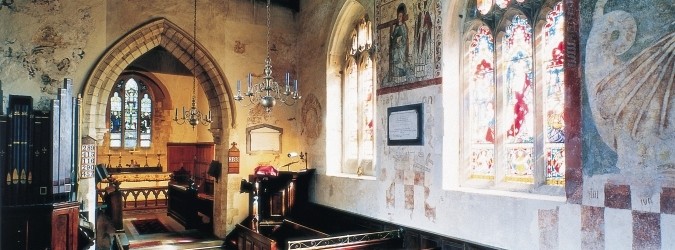
St. Lawrence Church in Broughton, Buckinghamshire – still splendid, in its way.
“Of course, you know this is going to make a stir when the word gets around?” he said. I nodded. “Is there anything anywhere else like it? In the same league?” No, I told him, there wasn’t. Once, yes. But no longer. Croughton, Stoke Orchard, St. Albans, Great Harrowden – they’d all been splendid in their day. But not now.”
Walk into an old village church in England today, and you are likely to be impressed by the austere serenity of limewashed white walls and sunlight streaming onto dark wooden pews.
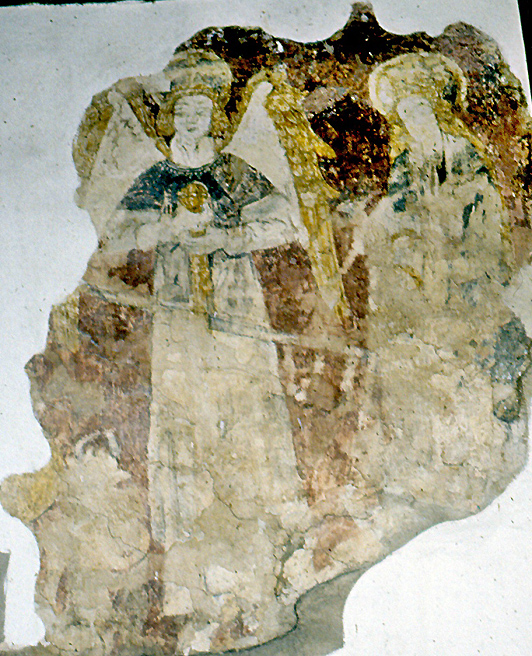
The Weighing of Souls at Croughton.
This is not the vision our medieval forebears would have seen. In those earlier centuries, the walls were heavily decorated with painted images of heaven, hell, morality tales, and the lives of saints. Devils, angels, and a host of others competed for the churchgoers’ attention, amid ornate textiles, sculpted effigies on tombs, and stained glass.
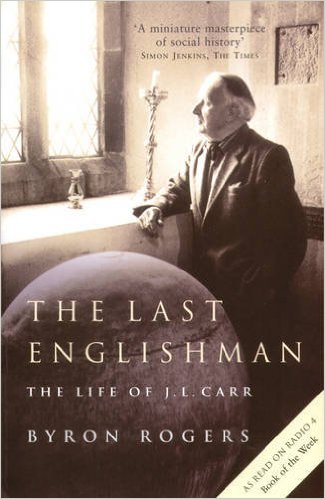
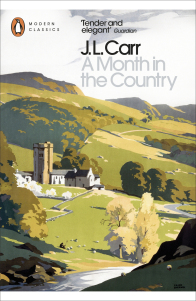
A Month in the Country describes the labors of Tom Birkin to restore a fourteenth century wall painting of “The Last Judgment.” But he was hardly the only one to climb a ladder and tentatively chip away at layers of limewash. This aspect of J.L. Carr’s A Month in the Country is no fiction.
Take the recent celebration at St. Cadoc’s in Llancarfan, Wales (read about it here), a church founded around 1200 on the site of a seventh century monastery. The discovery of a thin red line at the top of a wall led to a team of experts visiting the church with discoveries and recommendations. Painstaking restoration in the last few years has revealed an stunning series of late fifteenth century paintings, including large and spectacular tableaux of St. George and the Dragon, as well as bold images of the seven deadly sins, a macabre death figure with worms and toads, and the family arms of some of the families who paid for the elaborate paintings. Continue reading