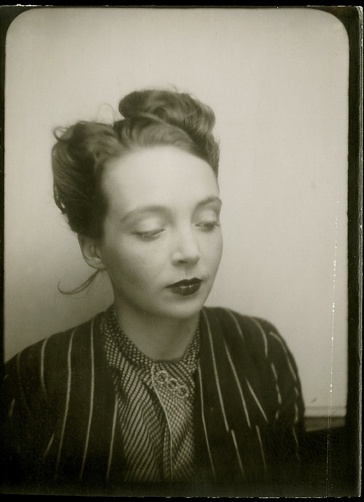
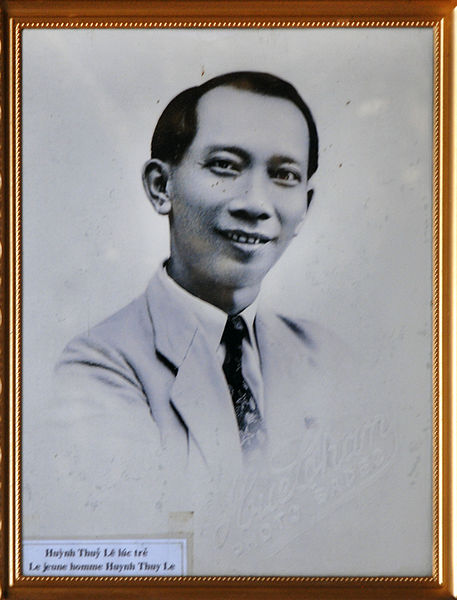
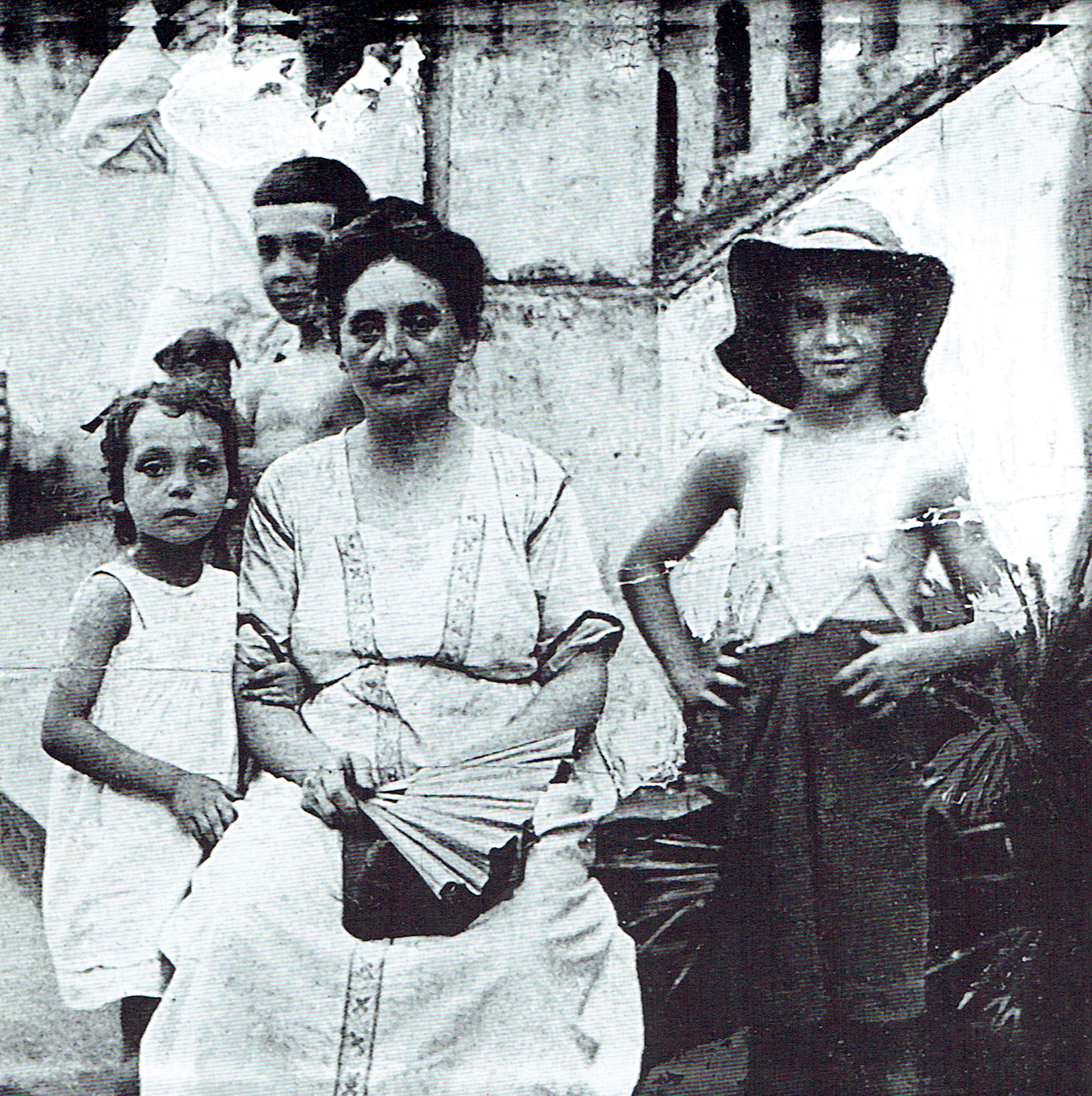
Stanford’s book club honors the famous French writer’s centenary with a May 12 discussion of The Lover, her autobiographical tale of her scandalous teenage affair with an older Chinese millionaire, set in her native Saigon.
By Cynthia Haven
 Long before most Americans could find Vietnam on a map, the French ruled Indochina, and its Chinese, French, and native Annamese denizens lived in an unequal colonial stew. So when a 15-year-old French schoolgirl had a passionate affair with a wealthy 27-year-old Chinese lover in Saigon, it created a scandal. The affair eventually became a book, and the book became a masterpiece.
The writer, Marguerite Duras, would tell the story again and again, throughout her lifetime, but never more compellingly than in The Lover, which received a prestigious Prix Goncourt when it was published in 1984, and sold two million copies.
Now, in Marguerite Duras’s centenary year, the “Another Look” book club is celebrating the author and her book at 7:30 p.m., Monday, May 12, at the Stanford Humanities Center’s Levinthal Hall. The panel will be moderated by Blakey Vermeule, professor of English, with her colleague Paula Moya, professor of English, and Stephen Seligman, a psychiatrist and professor at the University of California, San Francisco. The event is free and open to the public.
Vermeule had read the short novel as a high school student, but on rereading it, “I was gobsmacked,” she said. “It’s one of these masterpieces that gets rediscovered again and again. It’s a very intense book, so powerful it had slipped my mind what a truly great and subtle work of art it is.” With the centenary, she thought it was an excellent moment to revisit the book the New York Times Book Review had called “powerful, authentic, completely successful … perfect.”
Duras’ simple, terse writing style reads “as if language itself were merely a vehicle for conveying passion and desire, pain and despair,” wrote British author and journalist Alan Riding. “The mysteries of love and sex consumed her, but she had no room for sentimentality in her works, or indeed, in her life.”
“I write about love, yes, but not about tenderness,” she had told him in a 1990 New York Times interview. “I don’t like tender people. I myself am very harsh. When I love someone, I desire them. But tenderness supposes the exclusion of desire.”
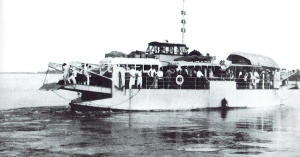
The Mekong River ferry where the lovers met.
Duras was born in Gia Dinh, near Saigon. Her father fell ill and returned to France, where he died. Her widowed mother, a teacher, was bankrupted in a shady land deal. The family struggled as impoverished colonials in a small tight-knit, gossiping community. Duras recalls an abusive mother who had severe bouts with depression, a drug-addicted brother who beat his sister fiercely and stole from the family (and even its servants), and a beloved younger brother who died young. When she met a Chinese millionaire on the ferry crossing the Mekong River, the teenager saw a doorway to a different world. The affair continued until Duras returned to France to finish her education at 18.
In France, she worked in the French Résistance in a team under the direction future French President François Mitterand, who remained a lifelong friend. After the war, she became a member of the French Communist Party. Duras is often categorized with the writers of the postwar “nouveau roman,” a movement that loosened the grip of plot- and character-driven narrative, blurring the boundaries of time and space, but Duras resists easy categorization. She experimented with novels, plays, films, essays, and memoir. She was fascinated, in particular, by the possibilities of film, most notably writing the screenplay for Alain Resnais’s 1960 classic, Hiroshima, Mon Amour.
She wrote The Lover at 70, when she had become a tiny old woman, her body wracked by alcoholism and cigarettes, giving interviews often read like a parody of what a French avant-garde writer is expected to sound like. She told the story in different ways with widely divergent details, so much so that until the discovery of an unpublished diary, there could be doubts that the affair had happened at all.
“She had an intensive, almost anti-social capacity to tell the story the way she wanted to tell it, in all its violence and ugliness,” said Vermeule. “The need to be utterly solitary, and socially antipathetic – very rarely does one see it in women writers. It’s not a pose they claim,” she said.
“This book is so very psychoanalytic. She’s clearly under that spell. Look at the nonlinearity of the story. As narrrator, she is almost dissociated from herself, moving from first to third person and back.”
Duras quarreled with film director Jean-Jacques Annaud as they collaborated on the 1992 film of the book, and retaliated with 1991’s The North China Lover, as a way of reclaiming her story. But no version before or since had the luster of The Lover. According to Stanford scholar Marilyn Yalom writing in How the French Invented Love, “She could transform a somewhat sordid affair into a mutually passionate romance and project into posterity her vision of love as an irresistable force that penetrates through the skin, regardless of its color.”
That vision continues to transfix readers, and The Lover continues to draw fans, decades after its first publication. In The Independent, South African playright and novelist Deborah Levy wrote in 2011, “The Lover does not just portray a forbidden sexual encounter of mind-blowing passion and intensity; it is also an essay on memory, death, desire and how colonialism messes up everyone.”
“Marguerite Duras was a reckless thinker, an egomaniac, a bit preposterous really. I believe she had to be. When she walks her bold but ‘puny’ female subject in her gold lamé shoes into the arms of her Chinese millionaire, Duras never covertly apologises for the moral or psychological way that she exists.”
***
The “Another Look” book club focuses on short masterpieces that have been forgotten, neglected or overlooked – or may simply not have gotten the attention they merit. The selected works are short to encourage the involvement of the Bay Area readers whose time may be limited. Registration at the website anotherlook.stanford.edu is encouraged for regular updates and details on the selected books and events.
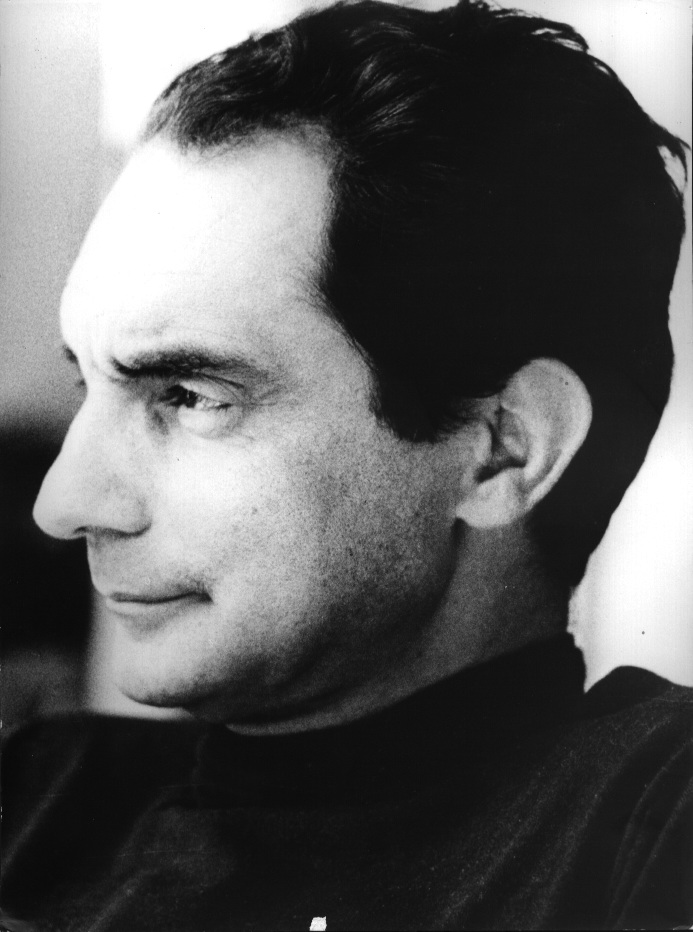 Novelist, essayist, and man of letters Gore Vidal has been credited with bringing an American audience to Italo Calvino, who became a close friend. No one could be snootier than the controversial Vidal, so it’s especially impressive and moving to watch him drop to one knee to do homage to the man he addressed as “Maestro.”