“ANOTHER LOOK” BRINGS THE ROARING ’20s TO STANFORD WITH ANITA LOOS’ GENTLEMEN PREFER BLONDES
Once Marilyn Monroe vamped “Diamonds Are a Girl’s Best Friend,” the 1925 bestselling novel was all but forgotten. Stanford hopes to restore the balance with its seasonal book club event.

Frontispiece for 1925’s “Gentlemen Prefer Blondes” (Courtesy Anita Loos Estate)
Edith Wharton called Anita Loos’ Gentlemen Prefer Blondes “the great American novel” and declared its author a genius. Winston Churchill, William Faulkner, George Santayana and Benito Mussolini read it – so did James Joyce, whose failing eyesight led him to select his reading carefully. The 1925 bestseller sold out the day it hit the stores and earned Loos more than a million dollars in royalties.
Everyone, of course, has heard of Gentlemen Prefer Blondes, but the short novel’s fame was eclipsed by the 1953 movie of the same name, starring Marilyn Monroe and Jane Russell. Once the bombshell blonde vamped “Diamonds Are a Girl’s Best Friend,” the effervescent Jazz Age novel became a shard of forgotten history. Who has taken the send-up novel seriously since?

Brava, Anita! (Courtesy Anita Loos Estate)
Stanford’s “Another Look” book club would like to restore the balance. The book club launched by the English/Creative Writing Department is taking on the comic masterpiece at 7:30 p.m. on Tuesday, May 28, in the Stanford Humanities Center’s Levinthal Hall. “Another Look” is a gift to the community – the event is free, open to the public, with no reservations required.
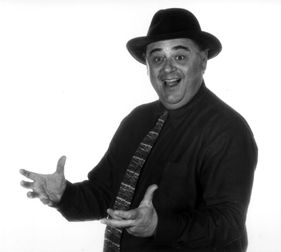
The evening will be moderated by the English department’s Hilton Obenzinger, well known for his “How I Write” series of conversations with authors (available on iTunes here); he will be joined by English Professor Mark McGurl and Assistant Professor of English Claire Jarvis.