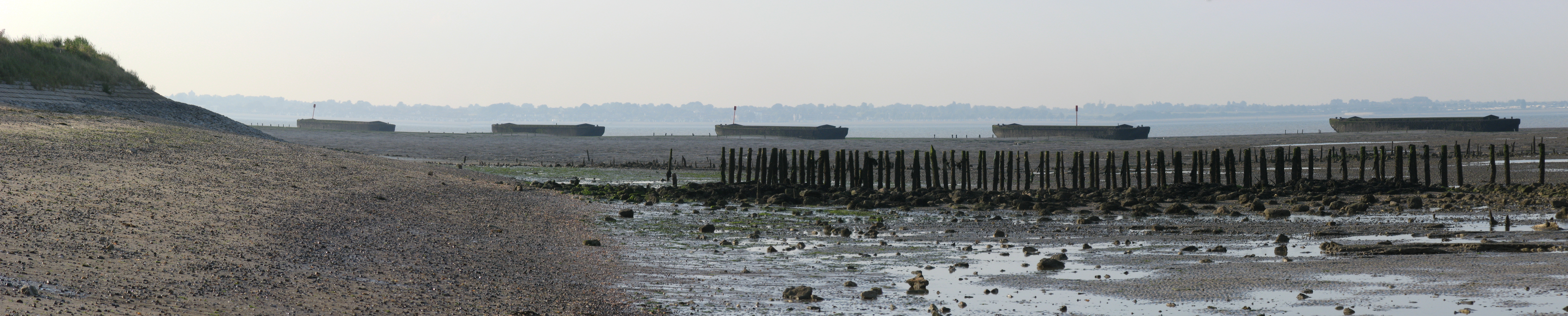
Sunken gravel filled barges used as a breakwater on Denghie reserve. (Photo: Creative Commons)
The years did not lighten J.A. Baker’s pessimism about the future of the Essex countryside. His 1971 article, “On the Essex Coast,” for RSPB Birds Magazine, described his fears. They are the last words he published.
One puzzle to today’s reader is that he writes that “the largest airport in the world” was scheduled to be built nearby – but Essex has only two airports today, neither of them a great international airport, and both were in operation by the time this article was written. Nevertheless, there is no doubt the erosion of the countryside continued, as it has everywhere else. He would be happy to know, however, that Denghie is now has nature preserve:
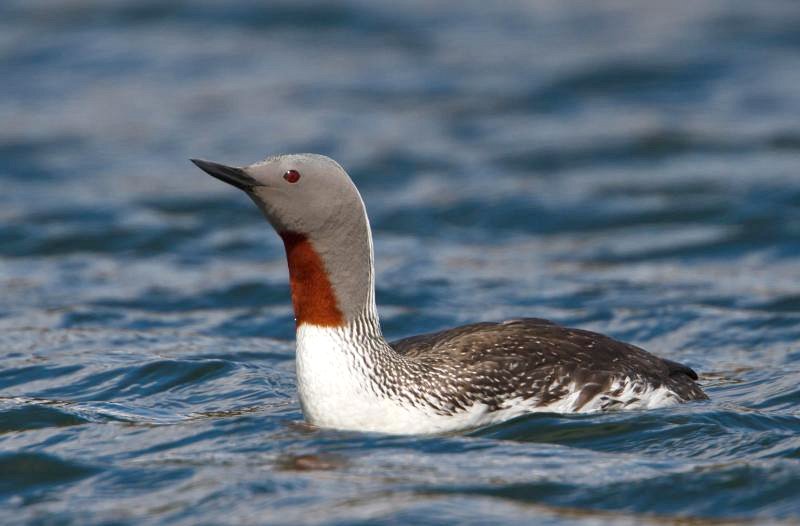
“A messenger from the wilderness” (Photo: Ómar Runólfsson)
This is the Dengie coast, seven miles of sea-wall north to south, a great arc of saltings outside it, half a mile of mudflats beyond. An austere place perhaps, withdrawn, some might say desolate. But the silence compels. It is a very old silence. It seems to have been sinking slowly down through the sky for numberless centuries, like the slow fall of the chalk through the clear Cretaceous sea. It has settled deep. We are under it now, we are possessed by it. When strangers come here, many will say, “It’s flat. There is nothing here.” And they will go away again. But there is something here, something more than the thousands of birds and insects, than the millions of marine creatures. The wilderness is here. … Man is killing the wilderness, hunting it down. …
I stumble over a dead mummified object. It is a red-throated diver so matted and bound with oil as to be almost unrecognizable, the mere torso of a bird. It stinks of oil. It is an atrocity, a stumpy victim of our modern barbarity. Born, perhaps, upon some island in a Scottish loch, cherished by local birdlovers, watched to maturity, then seen to depart in the full power and splendour of its beauty, a messenger from the wilderness: now here it has been returned like a crushed and mutilated fugitive thrust back across a frontier. We must not let its death be soothed away by the lullaby language of indifferent politicians. This bird died slowly and horribly in a Belsen of floating oil, as thousands of others have done, as millions more may do in the vile years to come. Involuntarily my gaze turns towards Foulness, toward the future.
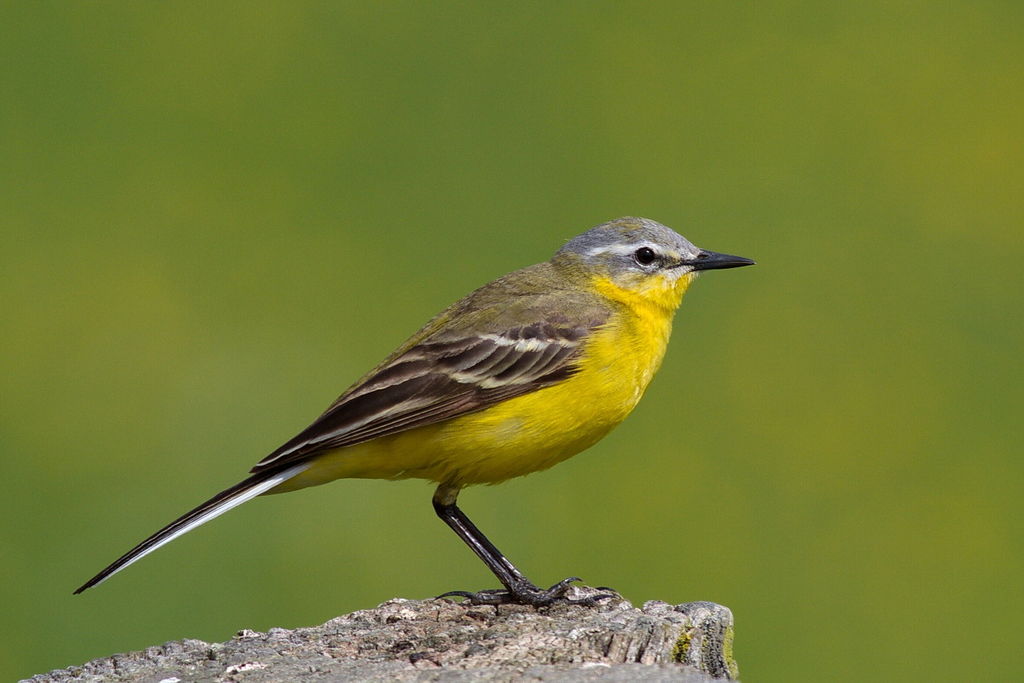
“A brilliant torch…” (Photo: Frebeck)
I blunder on across the saltings, in too great a rage to see or hear anything clearly. After a day of peace, I have seen the ineffaceable imprint of many again, have smelt again the insufferable stench of money. A yellow wagtail flits ahead of me, a brilliant torch flaming up into the sun. That at least seems to be still clean, still untainted. Yet who can know what insidious chemical horror may be operating beneath those brilliant feathers. …
In ten years’ time the largest airport in the world will have been built a few miles from here. Then, night and day, the endless barrage of roaring sound will tear away this silence forever and this last home of the wilderness will be imprisoned in a cage of insensate noise. Cordoned by motorways, overshadowed by the huge airport city, the uniqueness of this place will be destroyed as completely as though it had been blown to pieces by bombs. It is not merely that this incredible barbarism will be inflicted upon us. One grieves that such a wonderful opportunity has been cast away, a chance to preserve the coastline of Essex, from Shoeburyness to Harwich, to protect it from further urban encroachment to keep it unchanged as a national nature reserve. Essex has suffered so much: the new towns, the vast growth and overspill of London, the lancing through of motorways. We could at least have been allowed to keep the best of our county, the peace of its ancient bird-haunted coast that is the only peace that is left. All we can do now is to try to preserve whatever may remain, so that some of the wild life will survive. Then the birds will still call as they have done today, though the sound will never reach us. But they were here before the coming of man, they will endure the shadow of our tyranny, they will fly out into the sun again when we have gone.
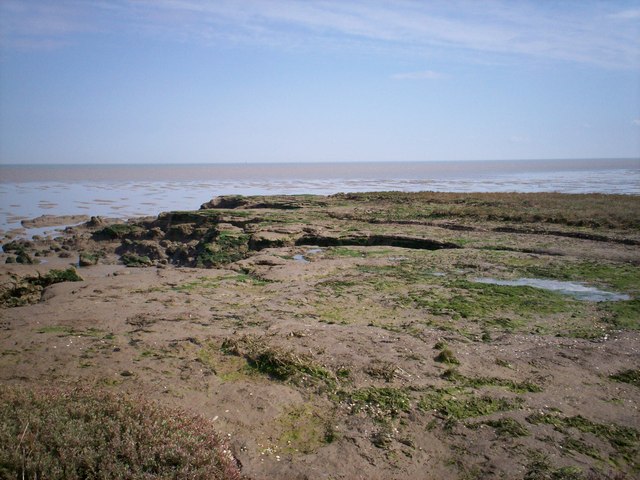
Perhaps the most isolated part of Essex. (Photo J. Smith/Creative Commons)